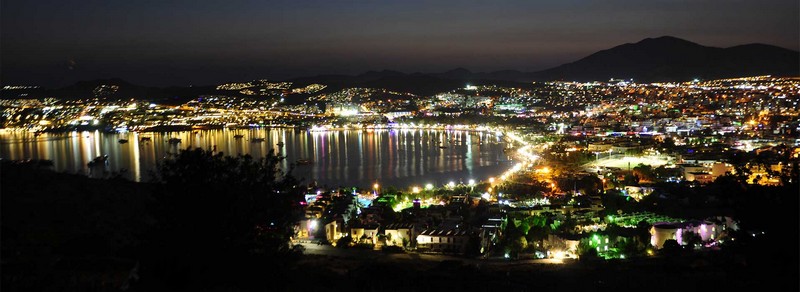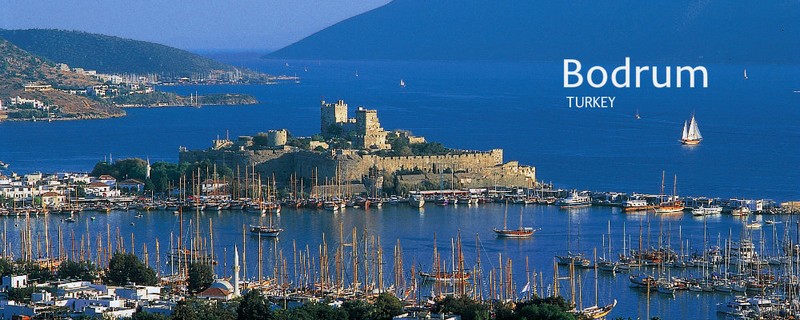
Long before Bodrum became one of Turkey’s best-loved seaside destinations, it was the thriving capital of the ancient Carian Kingdom, known as Halicarnassus.
The city earned lasting fame through its ruler, Mausolus, whose magnificent tomb became the Mausoleum at Halicarnassus, one of the Seven Wonders of the Ancient World.
Halicarnassus also witnessed the dramatic conquest of Alexander the Great before evolving through Greek, Roman, Byzantine, and medieval periods.
Although the ancient city has largely disappeared beneath modern Bodrum, its story can still be pieced together by visiting surviving landmarks such as the Mausoleum, Myndos Gate, the ancient theater, sections of the old city walls, and nearby Bodrum Castle, where fragments of the ancient wonder found a second life.
Last updated: August 2026
Halicarnassus in 2 minutes: the ancient city before Bodrum
Halicarnassus was an ancient Greek city of Dorian origin in the region of Caria, in southwestern Anatolia, on the site of modern-day Bodrum, Turkey.
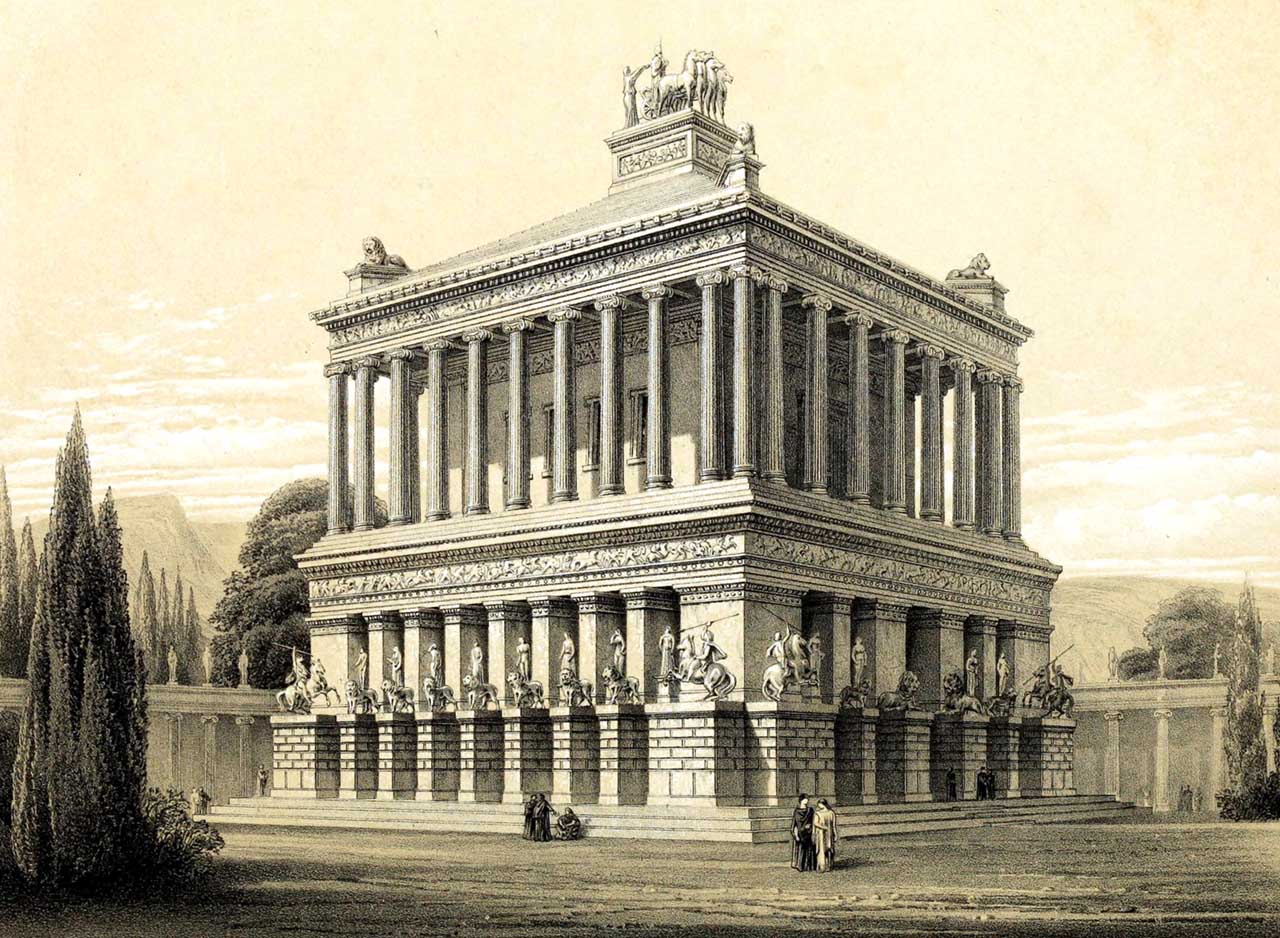
It is famous as the birthplace of the ‘Father of History,’ Herodotus; as the site of the Mausoleum of Halicarnassus, one of the Seven Wonders of the Ancient World; and for the siege by Alexander the Great.
Halicarnassus is not a single fenced archaeological park, but a sprawling “open city” where ancient ruins are deeply woven into the streets, neighborhoods, and foundations of modern Bodrum.
Mausolus and the city he wanted to build
Mausolus was a 4th-century BC ruler of Caria in the Persian Empire who decided to transform the coastal Greek settlement of Halicarnassus into a formidable and magnificent city, the showcase city of Caria.
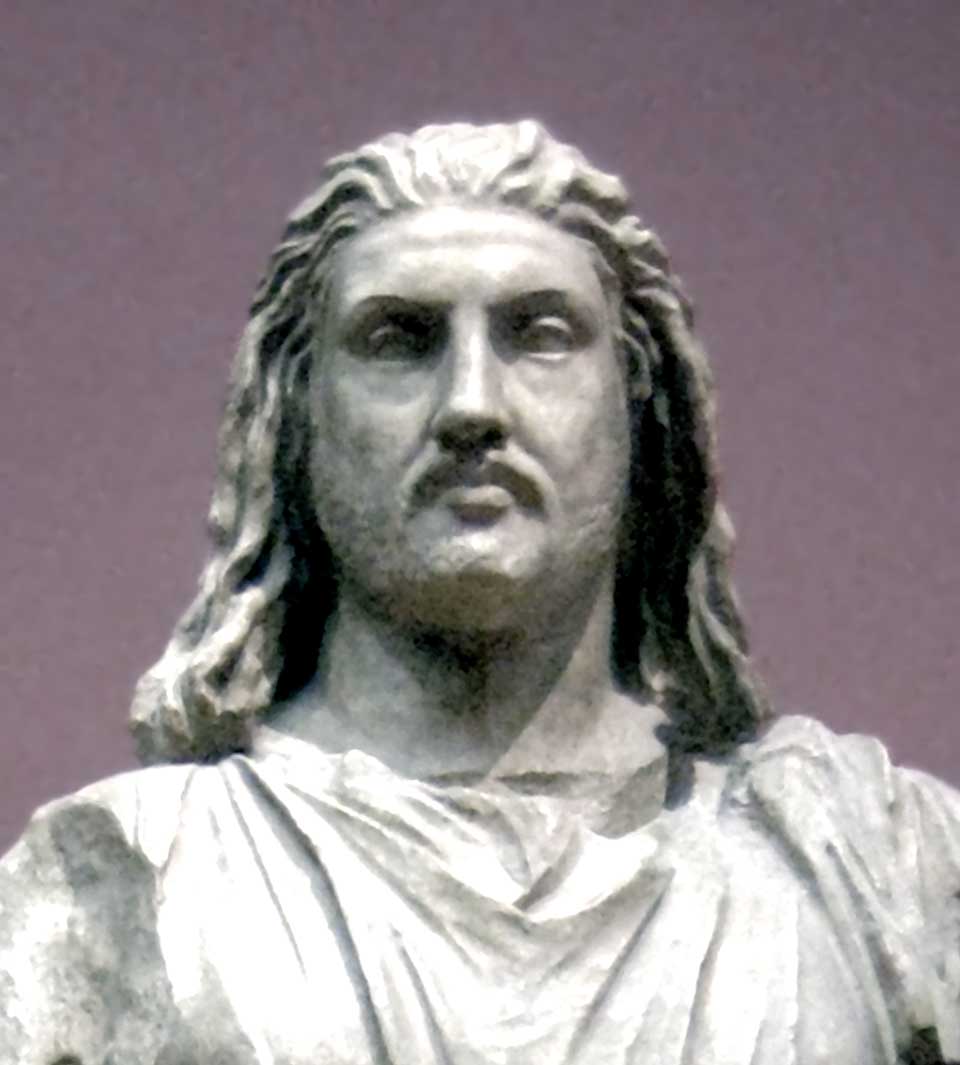
He ordered the construction of fortified city walls and watchtowers to protect the city from both land and sea attacks.
Mausolus planned an elaborate tomb for himself, and today its fragmentary ruins deeply entwine modern-day Bodrum with the cultural revival of the city.
The Mausoleum at Halicarnassus: the ancient wonder that made the city famous
The Mausoleum of Halicarnassus, celebrated as one of the Seven Wonders of the Ancient World, was completed under the guidance of his wife, Artemisia, after his death. The colossal monument was so striking that his name, Mausolus, gave rise to the word ‘mausoleum.’
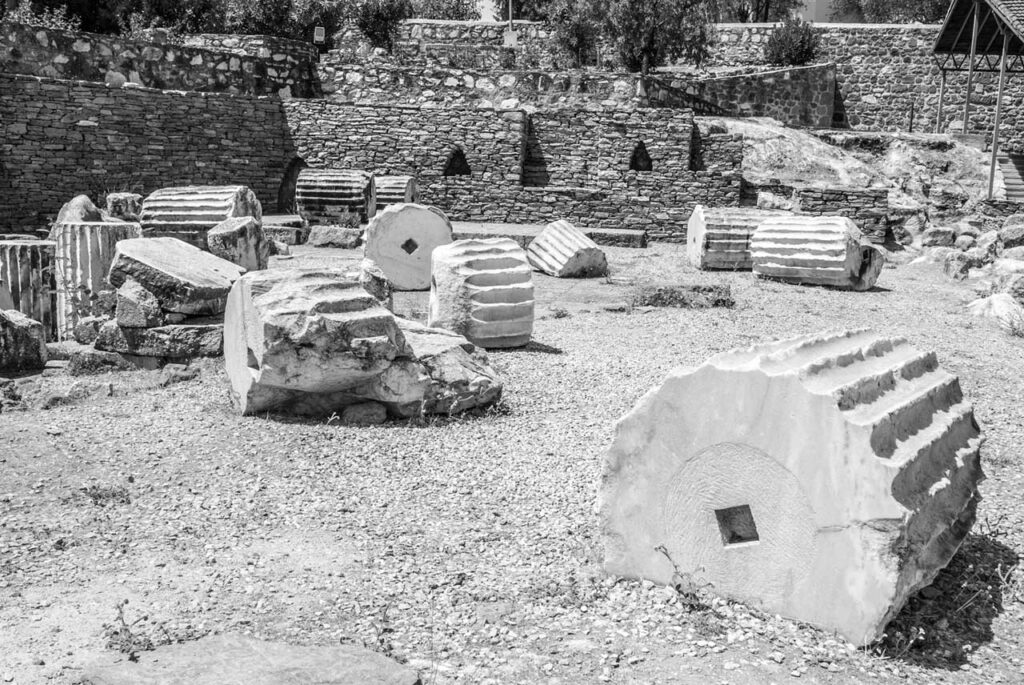
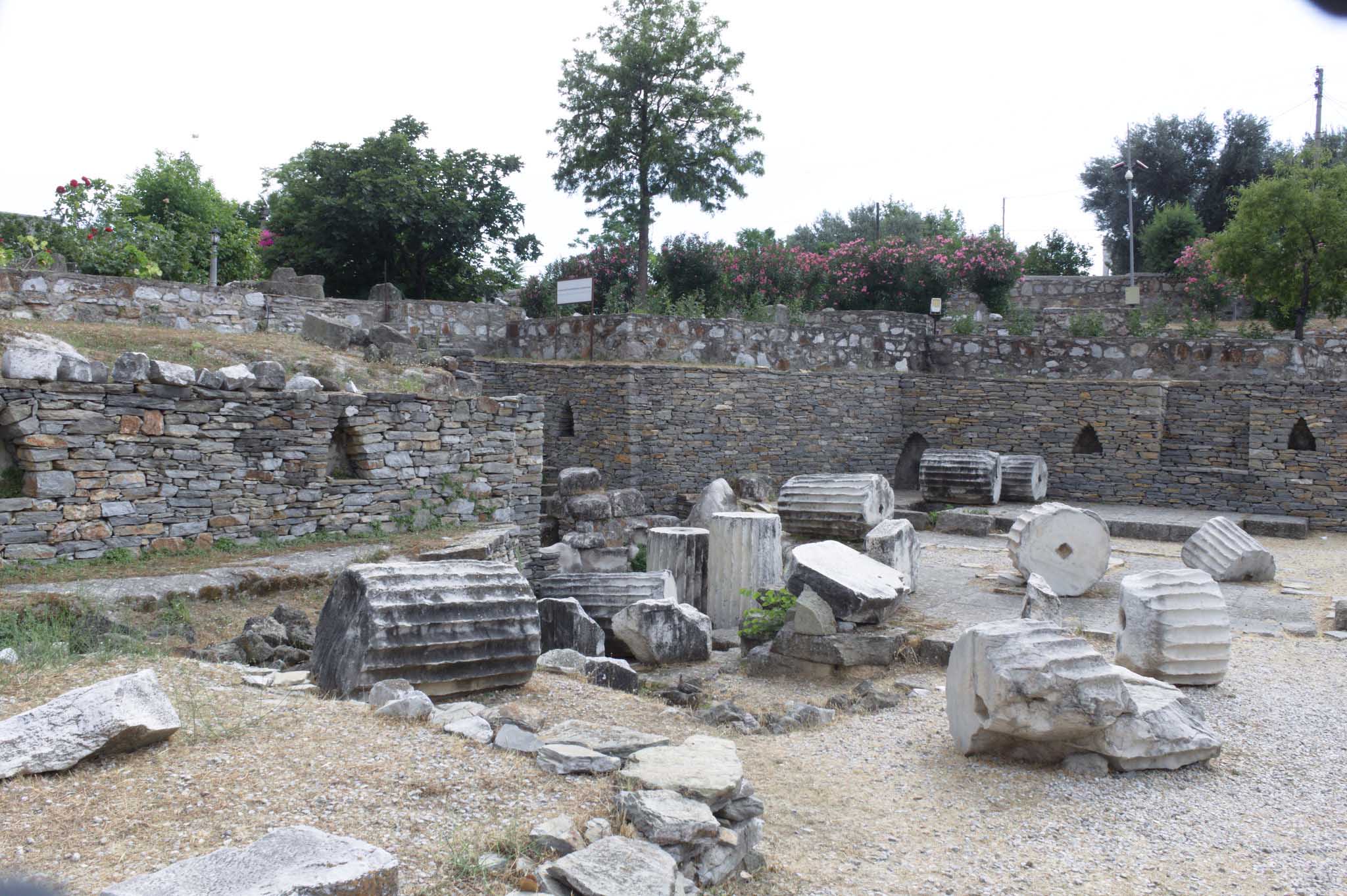
Today, the Mausoleum of Halicarnassus exists only as a partially excavated open-air archaeological site. Visitors can see the original foundation, scattered marble column fragments, and the underground burial chamber.
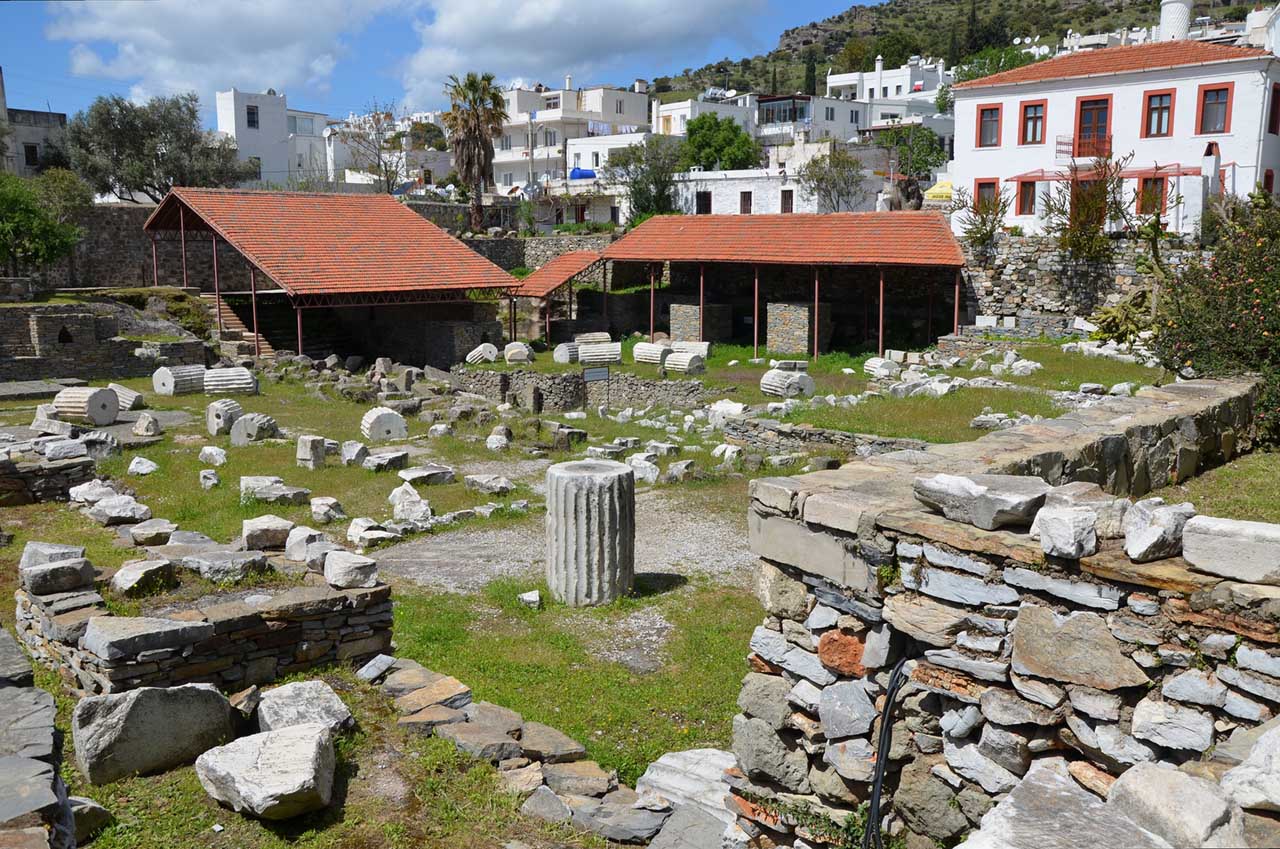
Where did the Mausoleum go?
Following severe earthquakes during the Middle Ages, the Mausoleum was reduced to ruins.
Later, the Knights of St. John dismantled the remaining ruins to fortify the nearby Bodrum Castle, burning its marble statues for lime.
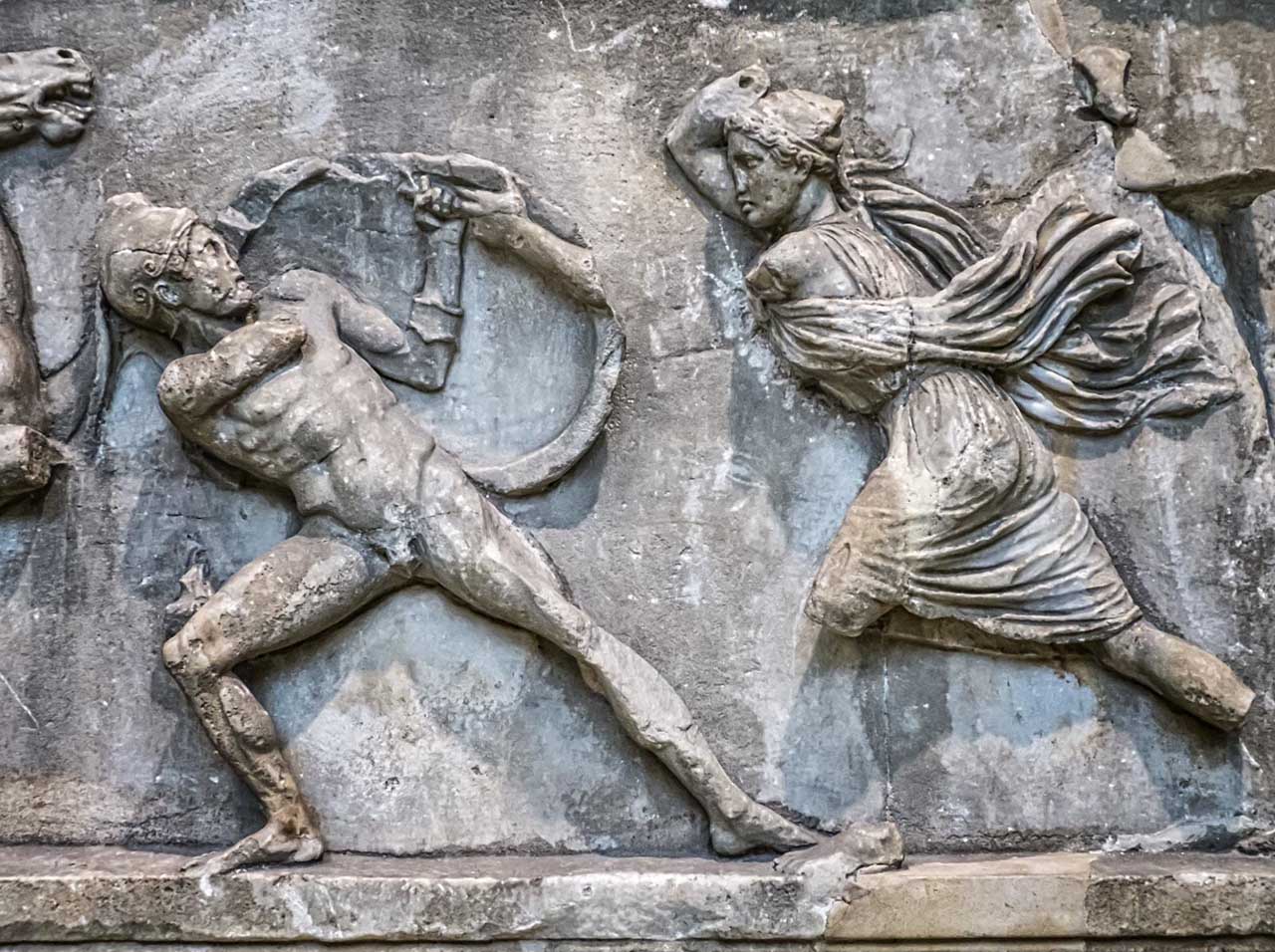
Today, the vast majority of its surviving statues and friezes are housed in the British Museum in London.
Myndos Gate: the surviving entrance to ancient Halicarnassus
Even though the Myndos Gate was named for a road leading toward the neighboring ancient city of Myndos, the gateway belonged to Halicarnassus because it was built as the western entrance and exit of the city’s defensive circuit.
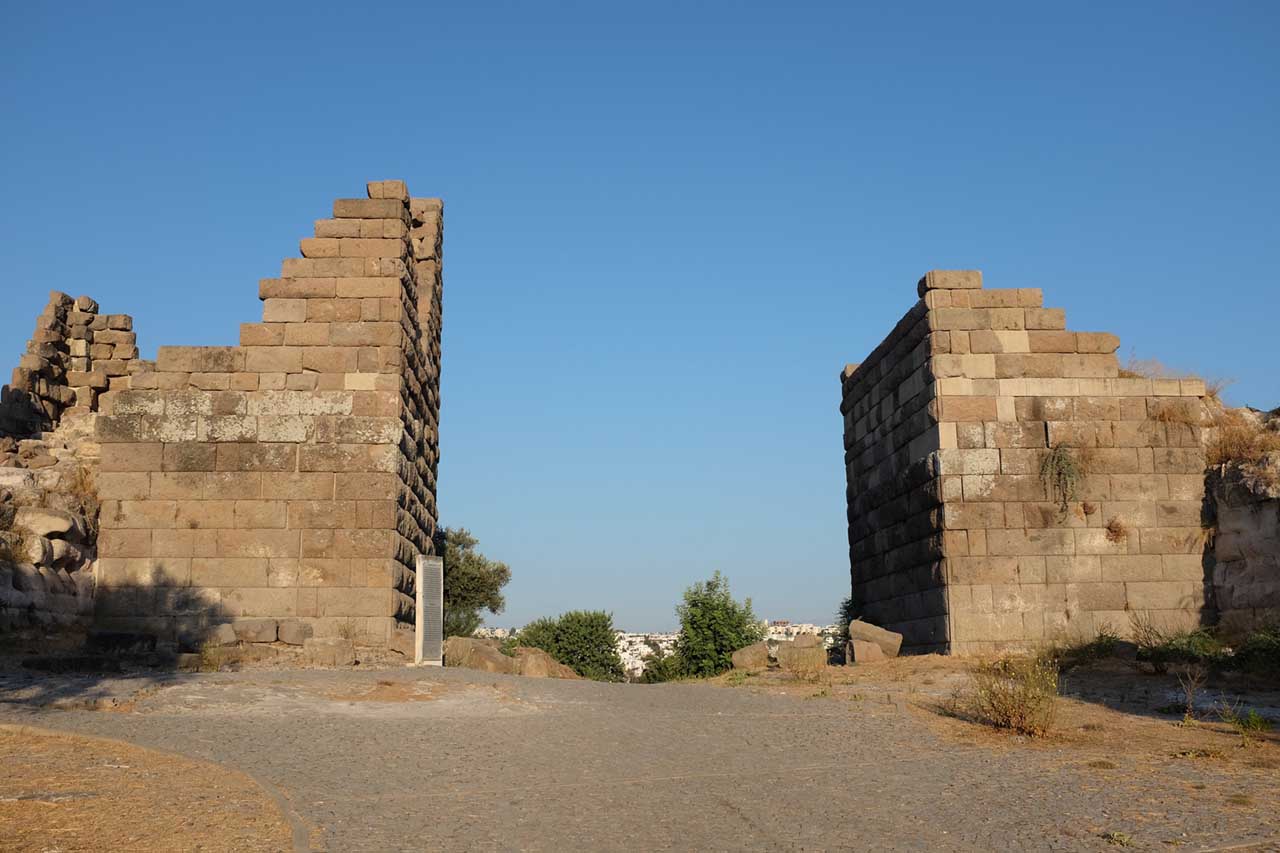
The Myndos Gate was one of two monumental entrances to ancient Halicarnassus. Its formidable moat and clever Persian defenses caused one of Alexander the Great’s most infamous tactical failures.
The ancient theater: the easiest ancient Halicarnassus ruin to understand at a glance
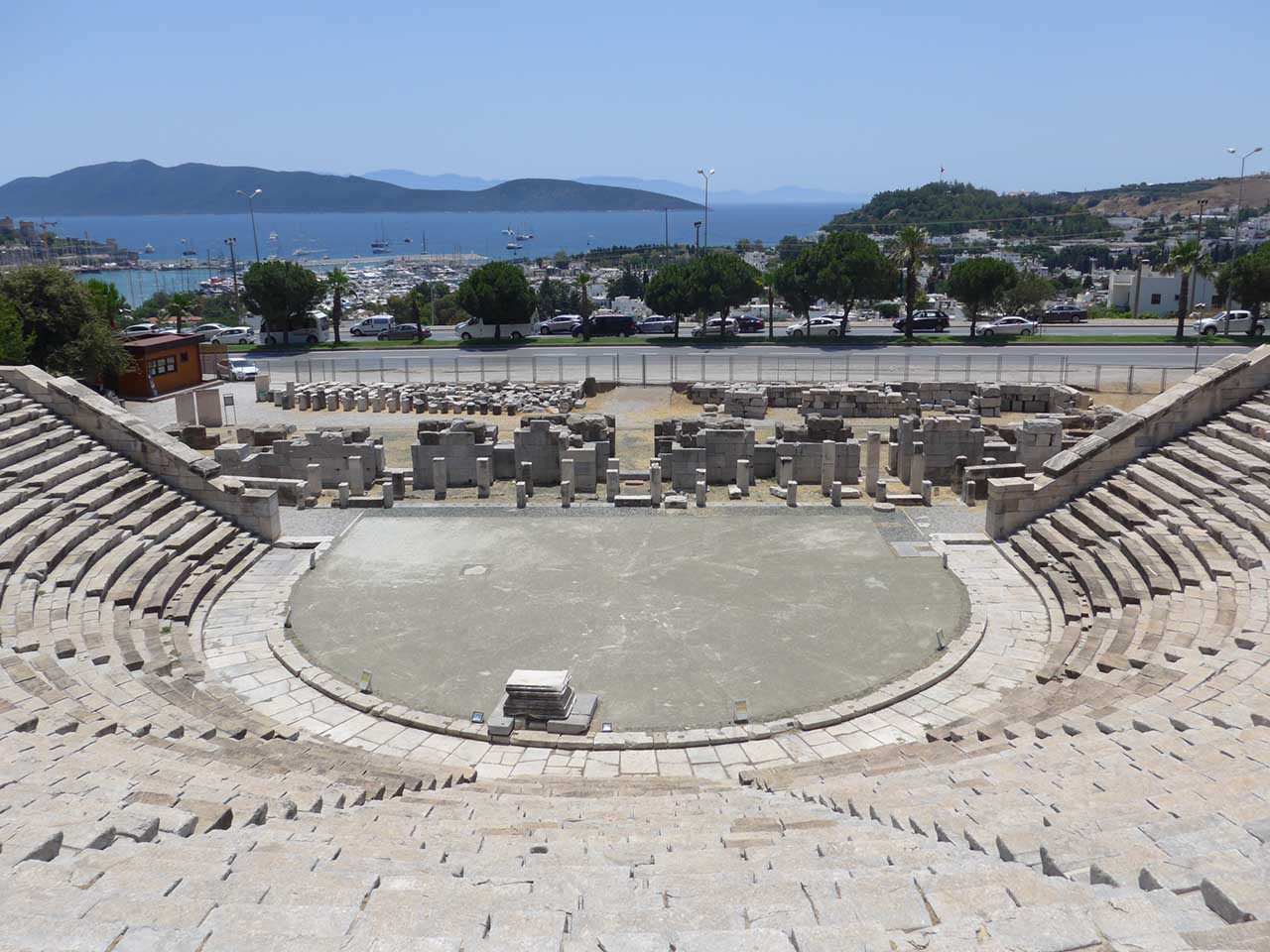
The Ancient Theater of Halicarnassus, built into the southern slope of Göktepe Hill during the reign of King Mausolus, is a well-preserved 4th-century BC Greco-Roman theater and remains one of Anatolia’s oldest active performance venues.
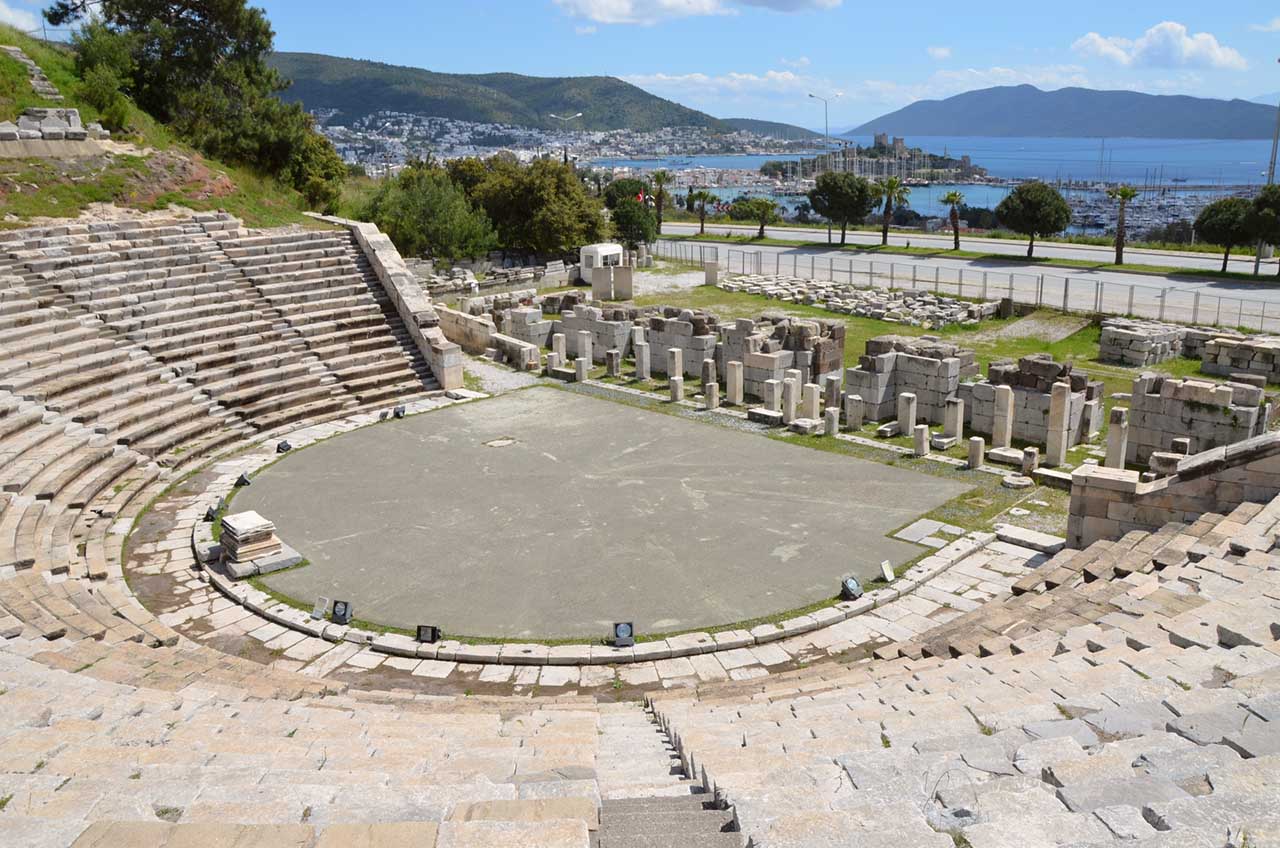
Climbing to the top tiers of the seating area gives visitors sweeping panoramic views across Bodrum, Kos, and the Datça Peninsula.
Visitors can more easily understand the layout of the Ancient Theater than that of the Mausoleum.
Visitors can easily trace the original Greco-Roman layout of the theater, including the spectator seating and walkway. Because the Mausoleum collapsed and its remaining stone was later dismantled, it is today an open-air pit of foundation trenches where visitors must rely on videos, signs, and a replica model to visualize the layout.
Alexander the Great and the siege of Halicarnassus
When the city of Halicarnassus was besieged by Alexander the Great in 334 BC, its formidable defenses and brilliant military leadership by Persian satrap Orontobates and the Greek mercenary Memnon of Rhodes inflicted heavy casualties on the Macedonians.
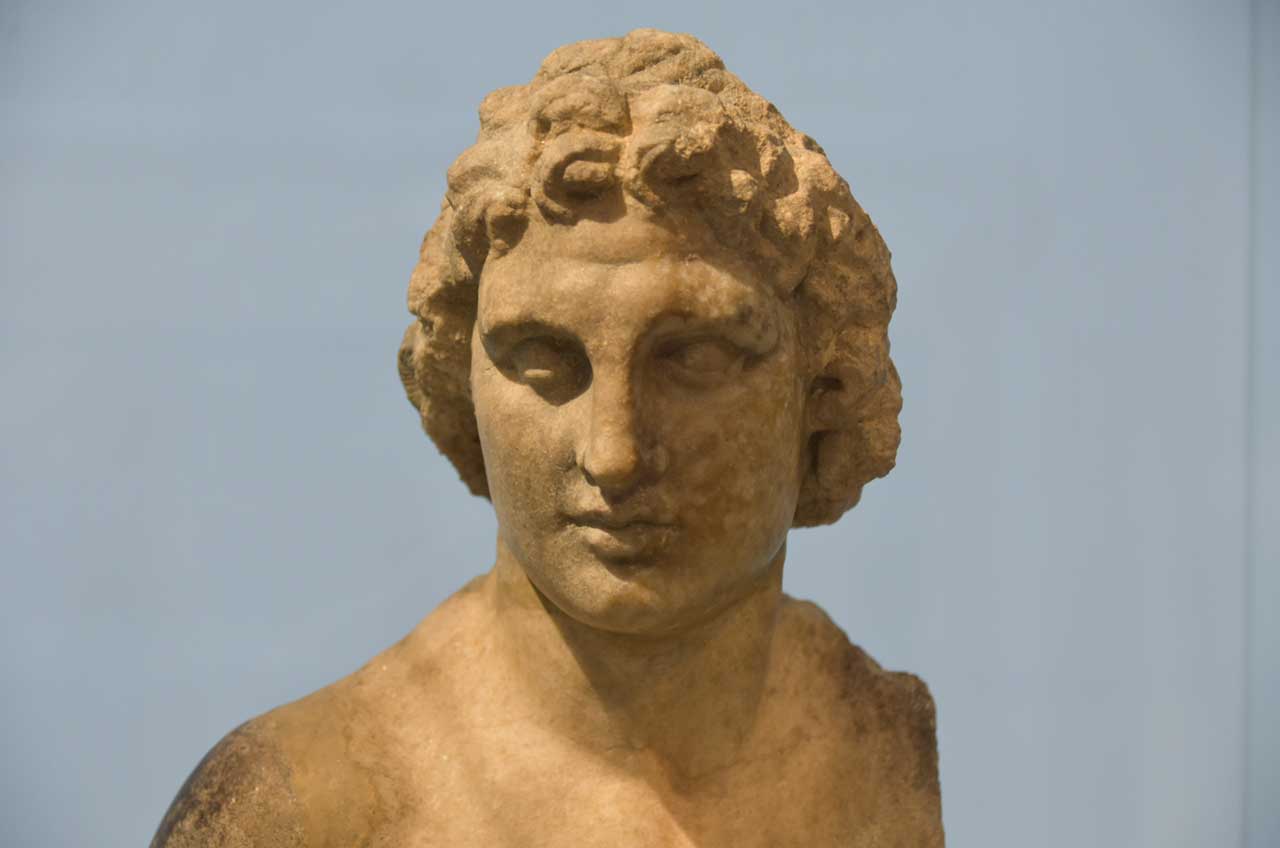
Memnon’s effective utilization of early catapults and surprise sorties gives visitors a physical connection to the restored Myndos Gate and surviving sections of the ancient city walls.
The city walls: the missing piece that explains the ancient city
The 7 km-long circuit walls of Halicarnassus acted as a strategic urban connector, physically binding the city’s natural topography and disparate civic zones, including the harbor, royal palace, and the Mausoleum, into a cohesive, fortified metropolis.
Today, much of the walls’ course can still be traced, and sections around Myndos Gate have been restored.
Because the surviving landmarks of Halicarnassus are spread across modern Bodrum, a guided tour can make the connections between the Mausoleum, theater, city walls, and castle much easier to understand.
How to see ancient Halicarnassus in Bodrum today
To see ancient Halicarnassus, a good starting point is the Mausoleum, where you can walk the foundations, view the burial chamber, and study scattered column fragments.
Continue to the Ancient Theater carved into the hillside above the city. It seats 13,000 spectators and offers visitors magnificent views of Bodrum.
Then continue to the Myndos Gate on the western edge of the city. Once the grand entrance to the city of Halicarnassus, you can still view remnants of the city’s walls and the ditch that was dug to slow down Alexander the Great’s invading army.
It takes about 45 to 50 minutes to walk the 3.8 km from the gate to Bodrum Castle, the last must-see attraction on this half-day self-paced walking tour of the ancient city of Halicarnassus.
This guided Bodrum city tour brings the main remains of ancient Halicarnassus together in one route, including the Mausoleum, Ancient Theater, Myndos Gate, and Bodrum Castle.
How much time to spend at each location
How long you spend exploring Halicarnassus depends on how much of the ancient city you want to uncover.
Allow 45 to 60 minutes if you’re visiting only the Mausoleum, around two hours if you also include the Ancient Theater, or half a day to add Myndos Gate and continue to Bodrum Castle and its museum collections.
| Visit plan | Main highlights | Suggested time |
|---|---|---|
| Mausoleum only | Foundations, burial chamber and marble fragments | 45 to 60 minutes |
| Mausoleum and Ancient Theater | Ancient wonder ruins, theater and panoramic views | Around 2 hours |
| Full Halicarnassus route | Mausoleum, theater, Myndos Gate, city walls and Bodrum Castle | Half a day |
Don’t expect a vast archaeological site like Ephesus.
Halicarnassus survives as a series of separate landmarks scattered through the modern city, making it feel more like piecing together an ancient puzzle than walking through a single set of ruins.
Conclusion
Although ancient Halicarnassus no longer survives as a complete archaeological city, its story is still written across modern Bodrum.
The Mausoleum gives the city its enduring identity as the home of one of the Seven Wonders of the Ancient World, while the Ancient Theater and Myndos Gate reveal what daily life in this once-thriving capital may have looked like.
Together, these scattered sites transform Halicarnassus from a lost monument into a real ancient city waiting to be rediscovered.
Planning to stay in Bodrum while exploring ancient Halicarnassus? Search for hotels near the castle, marina, and main historic sites.