
During one of the most notable late Bronze age period shipwrecks, the Uluburun Shipwreck occurred and has been well researched by a lot of historians. This 14th century BC shipwreck has been studied over and over again through time as it was one of the most significant shipwrecks of ancient times.
This ship was discovered off the coast of Turkey to the south in the Mediterranean Sea. The ship was located near the city of Kas which is located in Antalya. This ship was first discovered in 1982 by a Turkish diver.
The Uluburun Shipwreck Hall is a dedicated exhibition inside the Bodrum Museum of Underwater Archaeology in Bodrum, Turkey. Here, visitors can view Late Bronze Age artifacts salvaged from the Uluburun, which sank off the Turkish coast around 1320 BC, in a display devoted to the Uluburun wreck.
The salvaged artifacts were conserved and moved to Bodrum for display at the Museum of Underwater Archaeology.
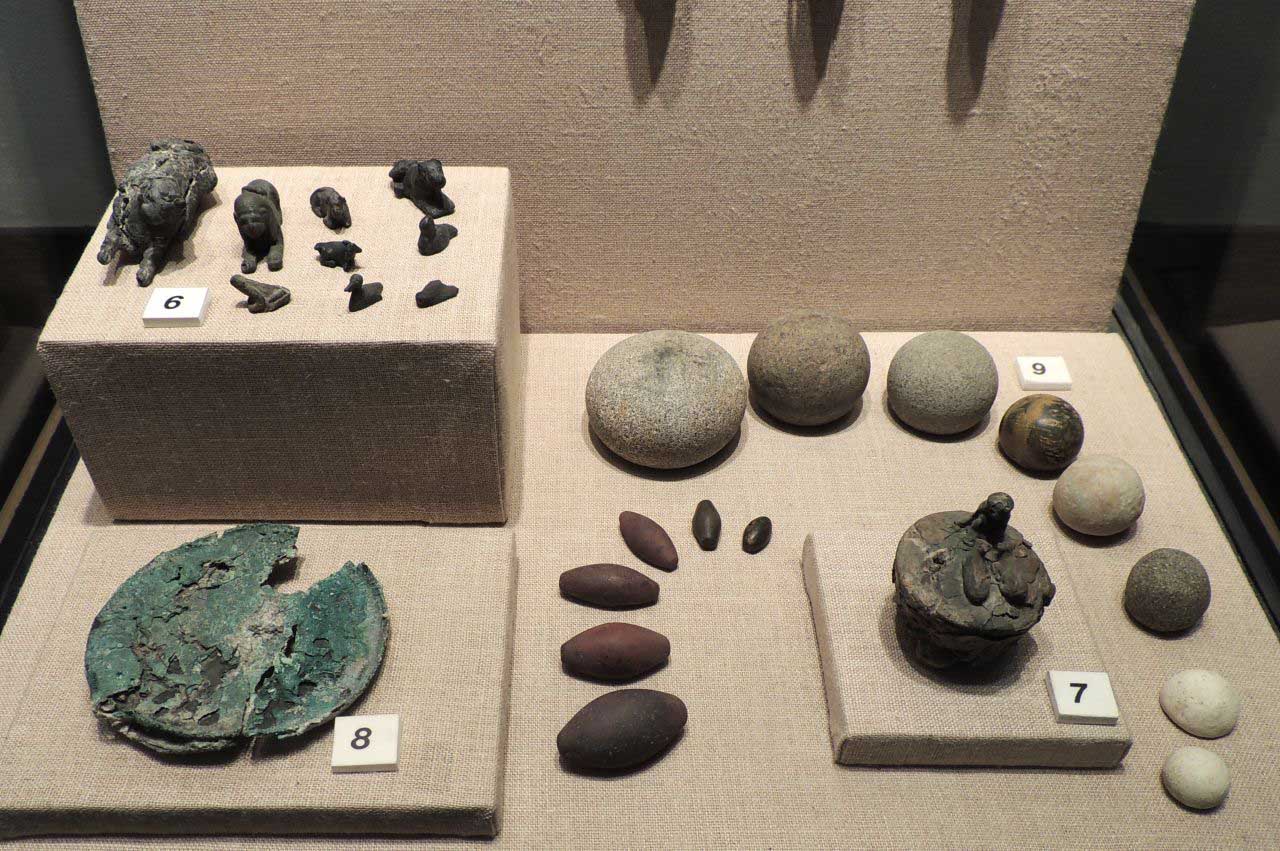
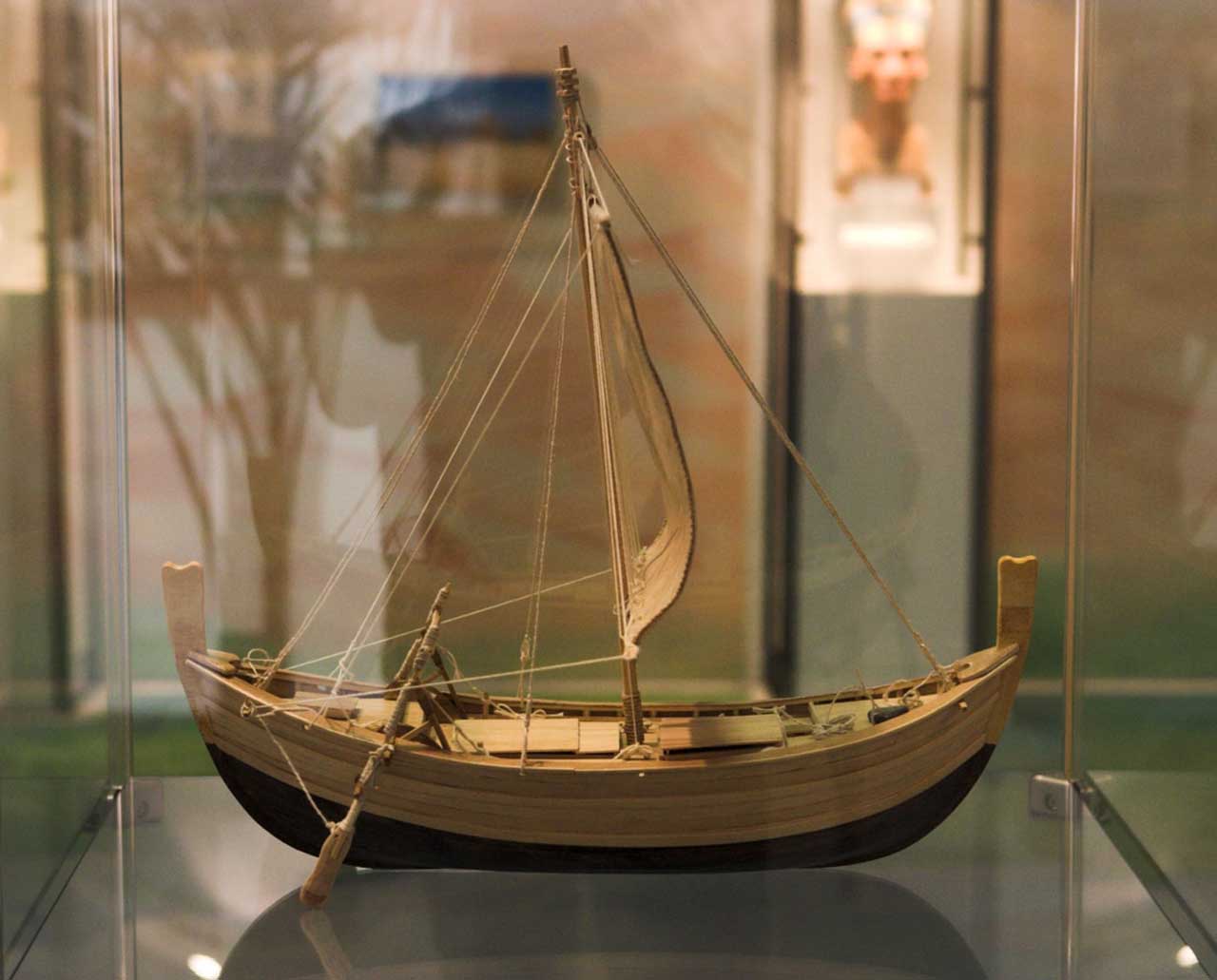
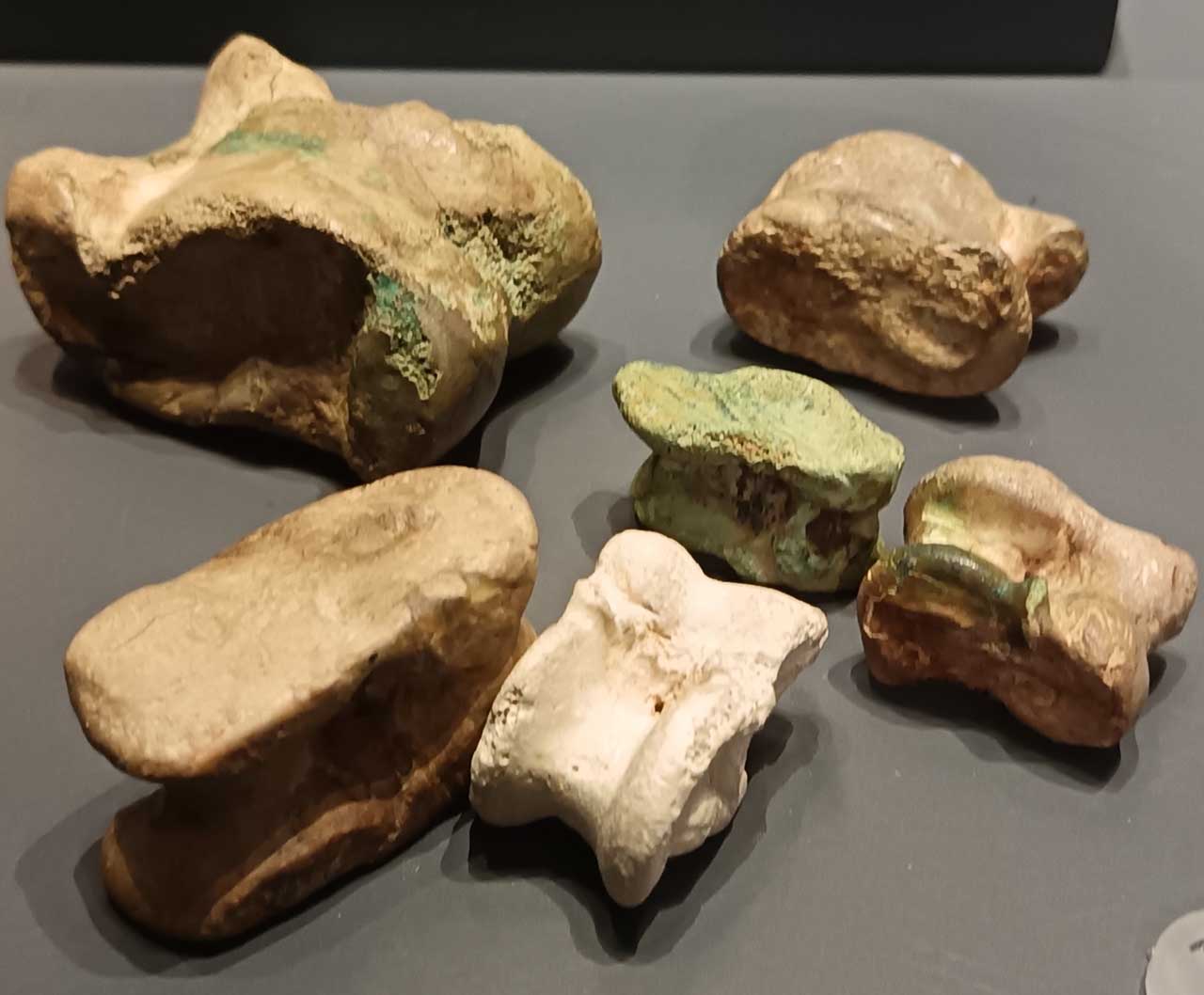
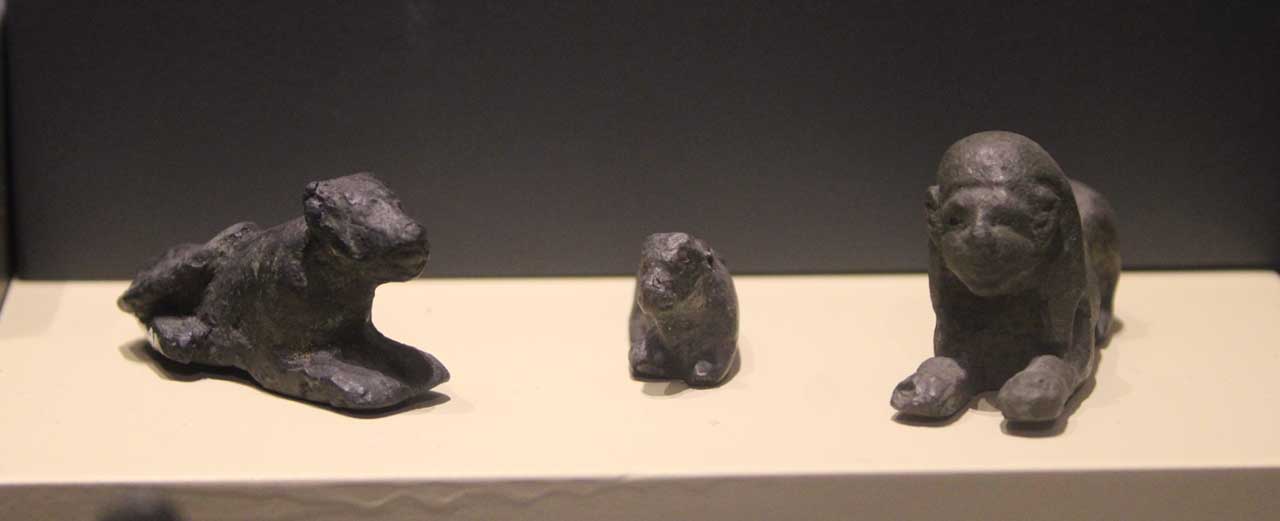
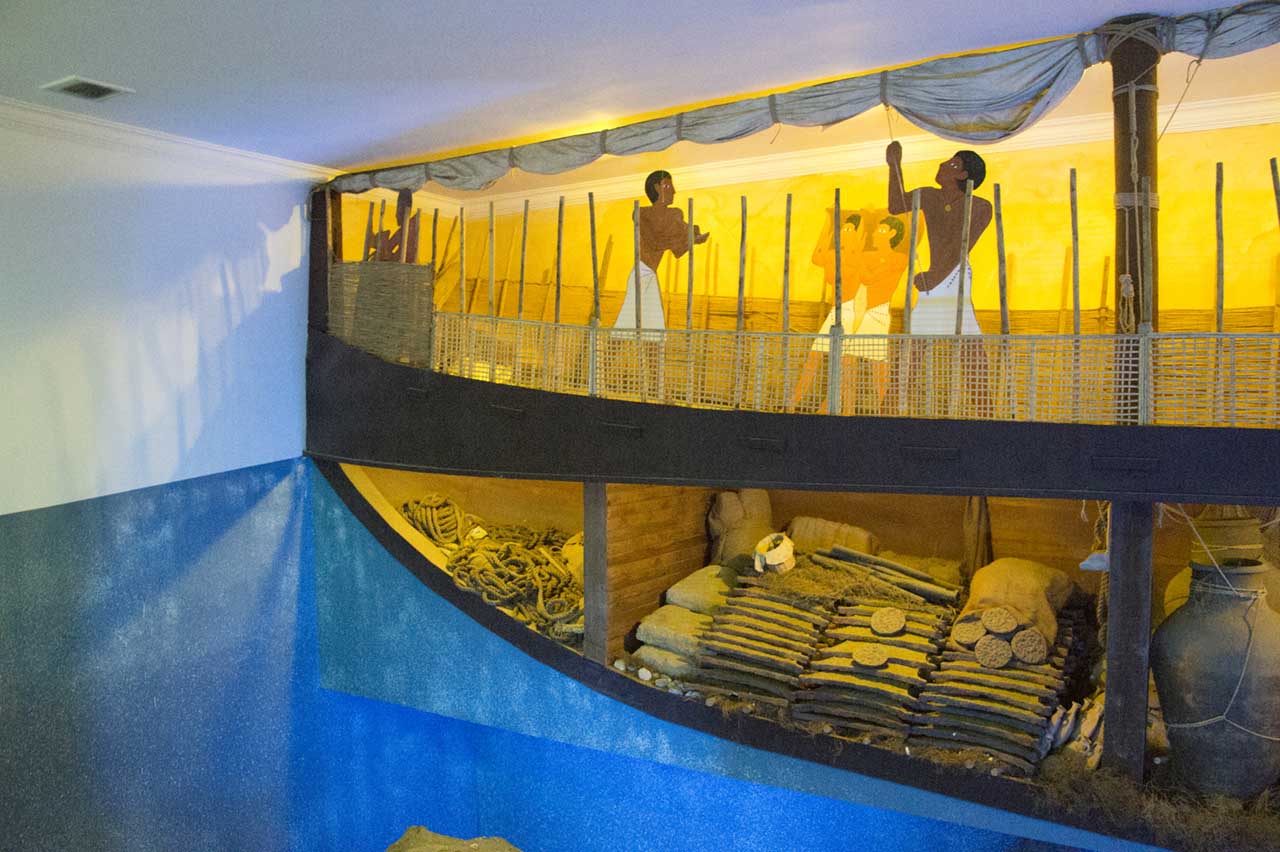
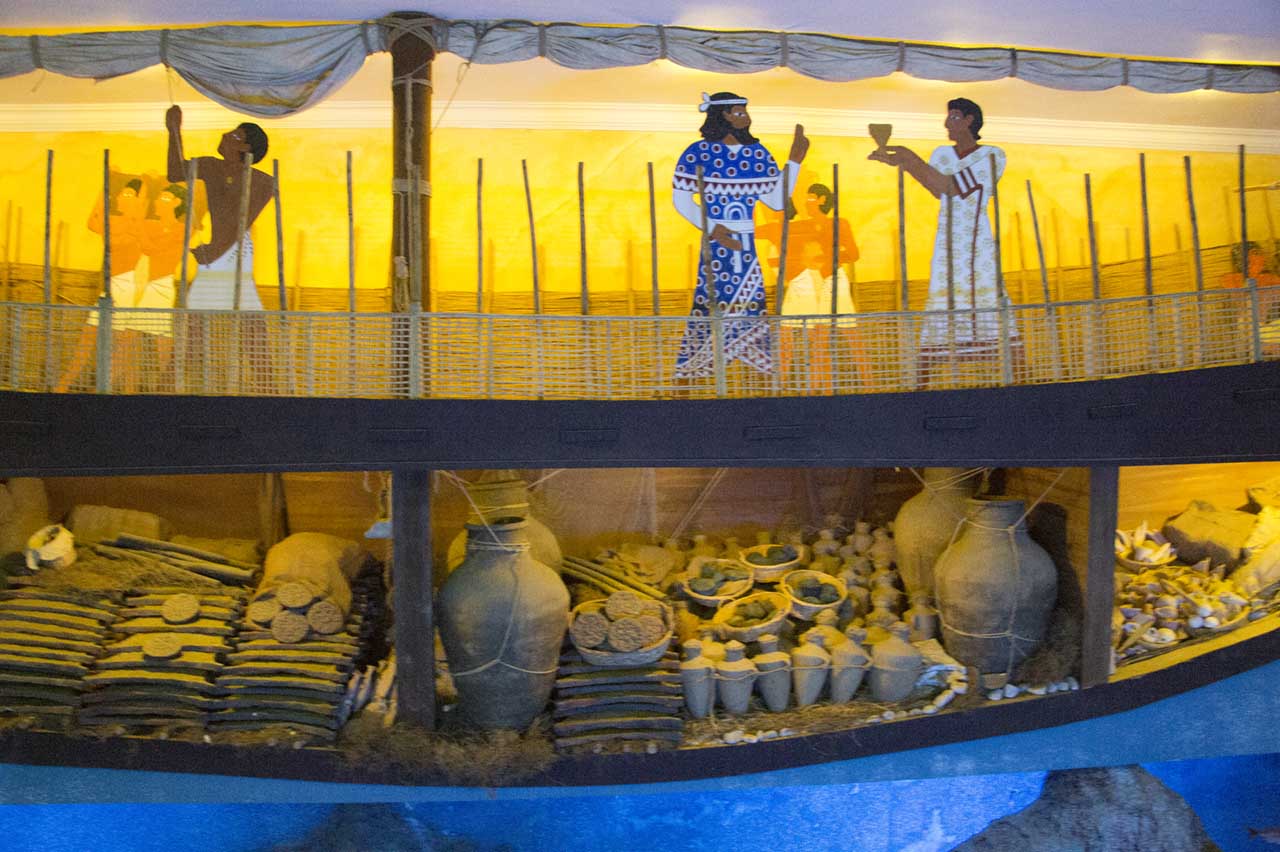
The permanent display recreates a time and way of life lived in the Late Bronze Age. Cargo, interesting archaeological items, and a reconstruction of what the Uluburun may have looked like are on display. Visitors can also view the sophisticated way in which the massive cargo was stored aboard the ship.
What can you see in the Uluburun Shipwreck Hall?
The massive cargo aboard the Uluburun was meticulously packed and stacked into the hull. Brushwood sticks were used as padding to protect the cedar planks from the weight of heavy metal. The massive tonnage of copper and tin ingots was used to form the baseline layer.
The Uluburun carried cargo from between seven and 10 distinct regions spanning the Mediterranean, Near East, Africa, and Central Asia, including Cyprus, the Levant, and Mycenaean Greece.
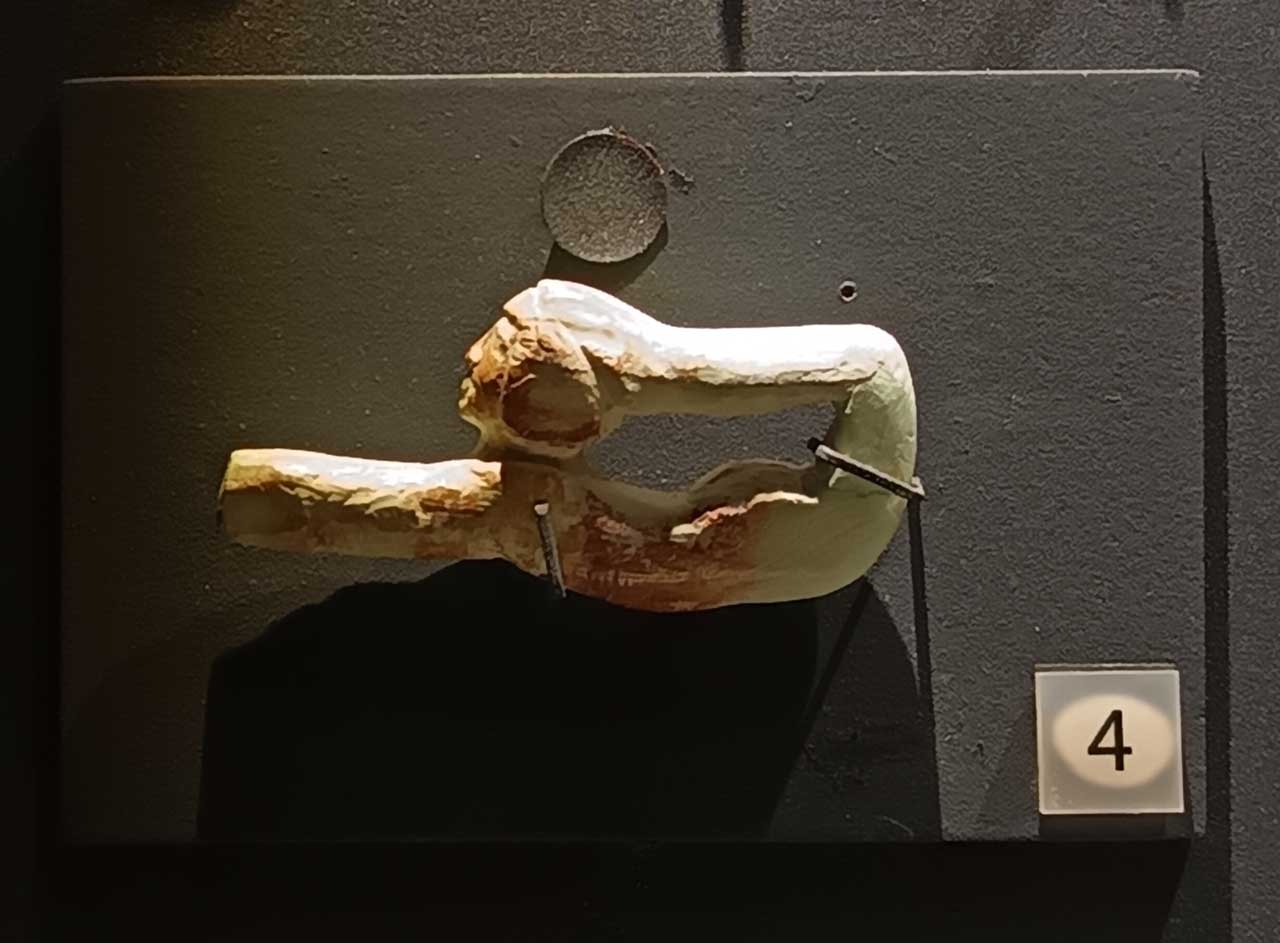
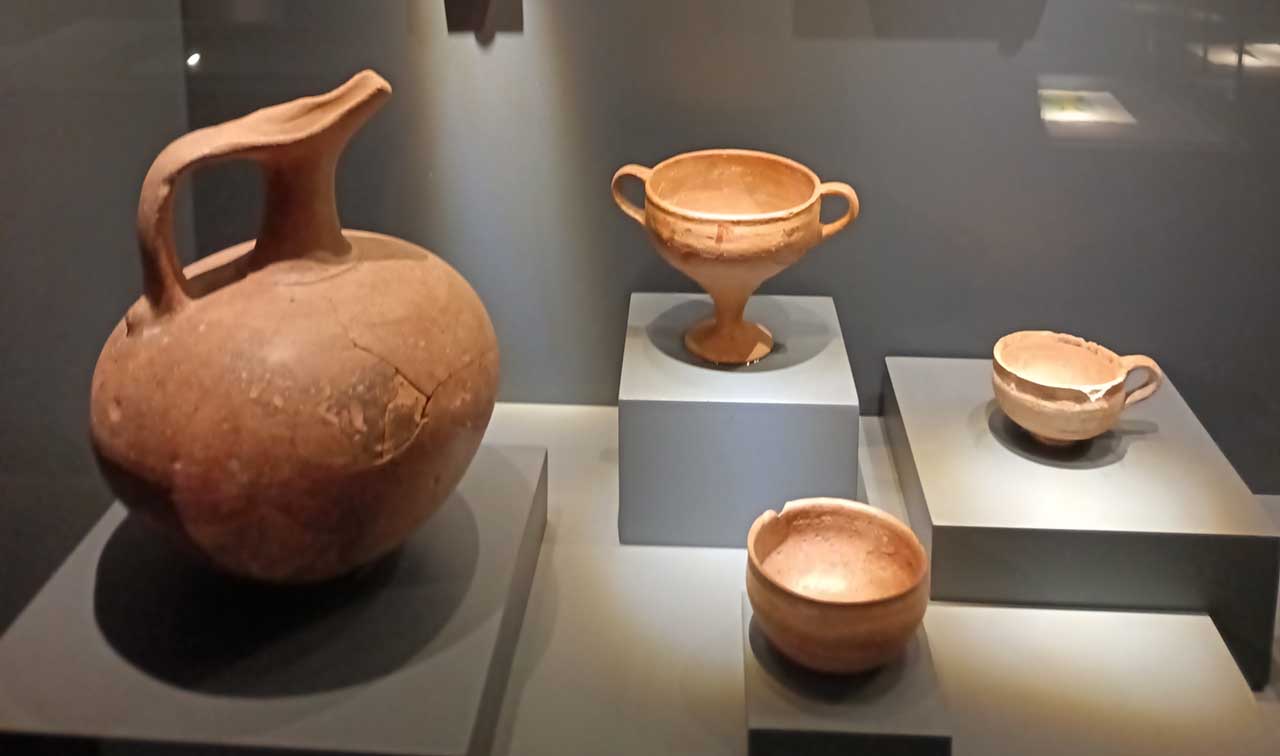
Treasures included around 150 Canaanite jars, most filled with terebinth resin; turquoise and cobalt-blue glass ingots, elephant and hippopotamus tusks, jewelry, weapons, tools, and small personal objects were packed into containers or stored near the merchant and crew quarters.
The ship reconstruction
When the wreck was excavated, only part of its original wooden hull survived, so its reconstruction is an archaeological interpretation.
How long to spend in the Uluburun Hall
You will need 20 to 25 minutes for a quick walkthrough, which allows enough time to view highlights, such as the copper ingots and gold jewelry.
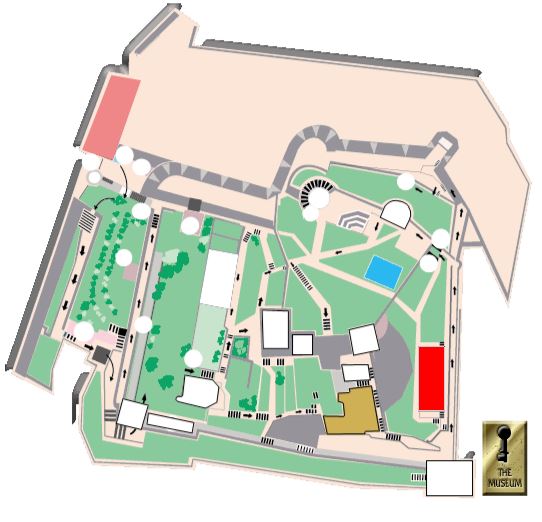
Allow 45 to 60 minutes if you would like to examine the rare trade goods and read all the display notes.
A visit to Bodrum Museum would be incomplete without viewing the permanent Uluburun Shipwreck Hall.
The excavation of this ship total took a decade and lasted 3-4 months of total working time. There were 11 different campaigns of excavations and modern techniques had to be used to recover everything from the wreckage.
Want to see the museum with a licensed guide? This 90-minute private tour includes museum admission, skip-the-ticket-line access, and a guided visit through Bodrum Castle and the underwater archaeology galleries.
The Vessel
In the exhibit, you can find a ship that represents a real-life representation of the ship near the wreckage, which came from the Levantine origin. Some believe it also may have come from Cypriot as well. While the ship was only 15 meters long, it’s believed that it could store up to 20 tons of cargo. One of the main problems for divers and recovering the ship was that the hull was severely damaged. A lot of the ship was perfectly preserved though which made excavation slightly easier.
The hull was tested and found to be made out of cedar wood. The planks were edge joined which was efficient for lengthy travelling. The technique of edge joining planks were used by a lot of Greek empires and Romans as well.
Some oar fragments were found and the largest one found was 1.7 meters long. A fascinating find was how many different anchors the ship had on board which consisted of 24 stone anchors. Back then, stone anchors were relatively common and they would weigh anywhere from 120 to 210 kilograms. There were smaller anchors made that only weighed 16 to 21 kilograms.
Some of these anchors were thought to be simply spares that were meant to only be used if other anchors broke or ropes snapped. Also, these spare anchors were placed strategically inside the boat to help keep the boat balanced.
The Date
An exact date of this ship isn’t quite known, so we can only go off what we know. We do know however that the ship comes from the Bronze age in its late stage.
It wasn’t until 1996 that we came to a closer conclusion that the ship might have had parts found off of it that date back to 1400 BC. However, different reports from Kuniholm stated that some of the firewood could’ve come from a tree that fell around 1316 BC or as early as 1305 BC. This is all estimation and we may never know an exact date. It’s also believed that this was the last voyage this ship had undergone before it sunk.
Researchers concluded that this would support their findings of contents aboard the ship. In 2001 however, Kuniholm who had been working on this for a long time started to retract his date on the dunnage.
The Route
Another debated fact for this ship is that no one can seem to agree on where the ship was heading and where it came from. It’s one historical opinion that the ship was coming from Cyprus and it was believed that the ship contained over 6 tons of copper ingots. Also, the nationality of the ship hasn’t been determined with historical evidence.
There were traces of Mcenaean, Canaanite, Kassite, Assyrian, Egyptian and Cypriot articles on the ship which makes research difficult.
However, the overall wealth of the cargo can give us a little bit of a clue as to where the ship came from or at least where it originated from. There’s over 18,000 different artifacts catalogued and discovered from the wreckage. Some researchers state that the ship may have been going towards the Nile River. Back in that time period, the Nile River was a hot spot for trade.
The Cargo
There was a ton of cargo on the ship from copper ingots to jewelry.
- There was 10 tons of copper ingots discovered on the ship that were oxhide shaped. The reason for the shape was so that ingots could be stored on horses, mules or other easy methods of transportation.
- There were also 40 tin ingots discovered that had little lead in them. No one knows the exact source of the tin in them. Some debate that they could’ve come from Afghanistan or Spain. It was the largest collection of ingots found from a Bronze Age collection on a single excavation.
- There was a laundry list of Egyptian Jewelry found at the site as well. First was a gold disk pendant, a gold falcon pendant and a host of other jewels found.
List of Egyptian Jewelry Found:
- Gold disk shaped pendant
- Gold falcon pendant
- Faience beads
- Gold Goddess pendant
- Rock crystal beads
- Agate beads
- Ostrich eggshell beads
- Silver bracelets
- Gold scrap
- Gold chalice
- Silver scrap
Among that, there was also some food discovered on the shipwreck site as well including some almonds, pomegranates, olives and acorns.
There were also some other jewels found as well including:
- Faience vessels
- Ivory vessels
- Gold chalices
- Ear rings, finger rings
- Cypriot rings
- Cypriot pots
- Wide mouthed jugs
- Clay lamps
- Large pithoi
- Bronze tools
Finally, there were some bronze weapons found in the wreckage as well. Divers found 6 European style spearheads which were classified as type A2/B3, a sword that’s thought to be from Italian origination and a ceremonial axe made of stone that originates from Bulgaria.
Want the full story of the Uluburun Shipwreck?
If you are interested in more information about the discovery of the Uluburun, its excavation, the cargo it carried, the route it was sailing, its crew, and the New Bronze Age merchant shipping trade network, read our detailed article titled: Uluburun Shipwreck: Discovery, Cargo, Excavation, and What It Reveals About Bronze Age Trade.