

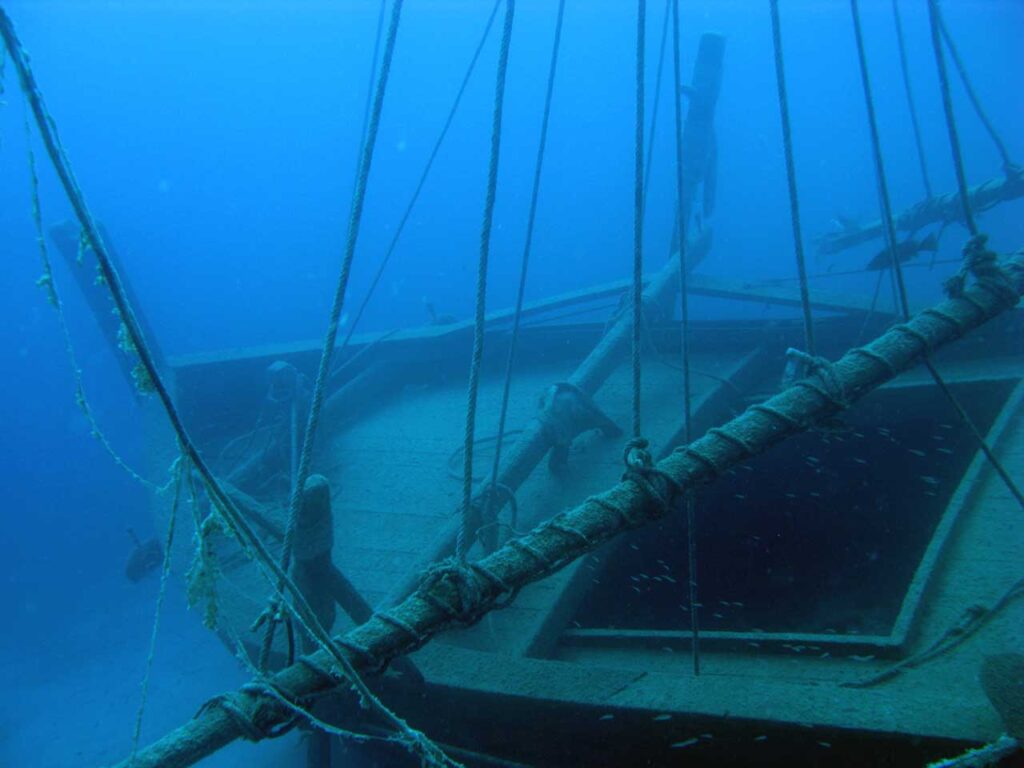
The Uluburun Shipwreck was a Late Bronze Age merchant vessel that sank off the southern coast of Türkiye around 1300 BC.
It was carrying an immense cargo from multiple ancient cultures, including copper, tin, glass, ivory, precious metals, jewelry, ceramics, foodstuffs, and other international trade items from across the Mediterranean and the Near East.
The wreck is important because it opened a time capsule of long-distance trade and exchange during the Late Bronze Age. The cargo from the Uluburun revealed a link among at least seven Mediterranean cultures.
Last updated: August 2026
Uluburun Shipwreck at a glance
The Uluburun shipwreck, dating to around 1320 BC, was discovered in 1982 by a local sponge diver, Mehmet Çakır, near Uluburun (Grand Cape), close to Kaş on the Turkish Mediterranean coast.
It was excavated by the Institute of Nautical Archaeology over 10 years, from 1984 to 1994.
The salvage operations required over 22,000 dives and were complicated by the position of the wreck on a steep, rocky slope at depths of between 44 and 52 meters.
The bountiful cargo was among the richest collections of Bronze Age trade items ever salvaged from a shipwreck.
| Date of wreck | Late 14th century BC, approximately 1320 BC |
|---|---|
| Discovered | 1982 |
| Discoverer | Sponge diver Mehmet Çakır |
| Location | Uluburun near Kaş, southern Türkiye |
| Excavation | 1984-1994 |
| Excavation organisation | Institute of Nautical Archaeology |
| Dives | More than 22,000 |
| Main metal cargo | About 10 tons of copper and 1 ton of tin |
| Famous artifact | Gold scarab bearing the name of Nefertiti |
| Where to see the finds | Bodrum Museum of Underwater Archaeology |
How the Uluburun Shipwreck was discovered
Turkish sponge diver Mehmet Çakır spotted a collection of strange metal objects on the seabed at a depth of about 45 meters while diving near Uluburun in the summer of 1982.
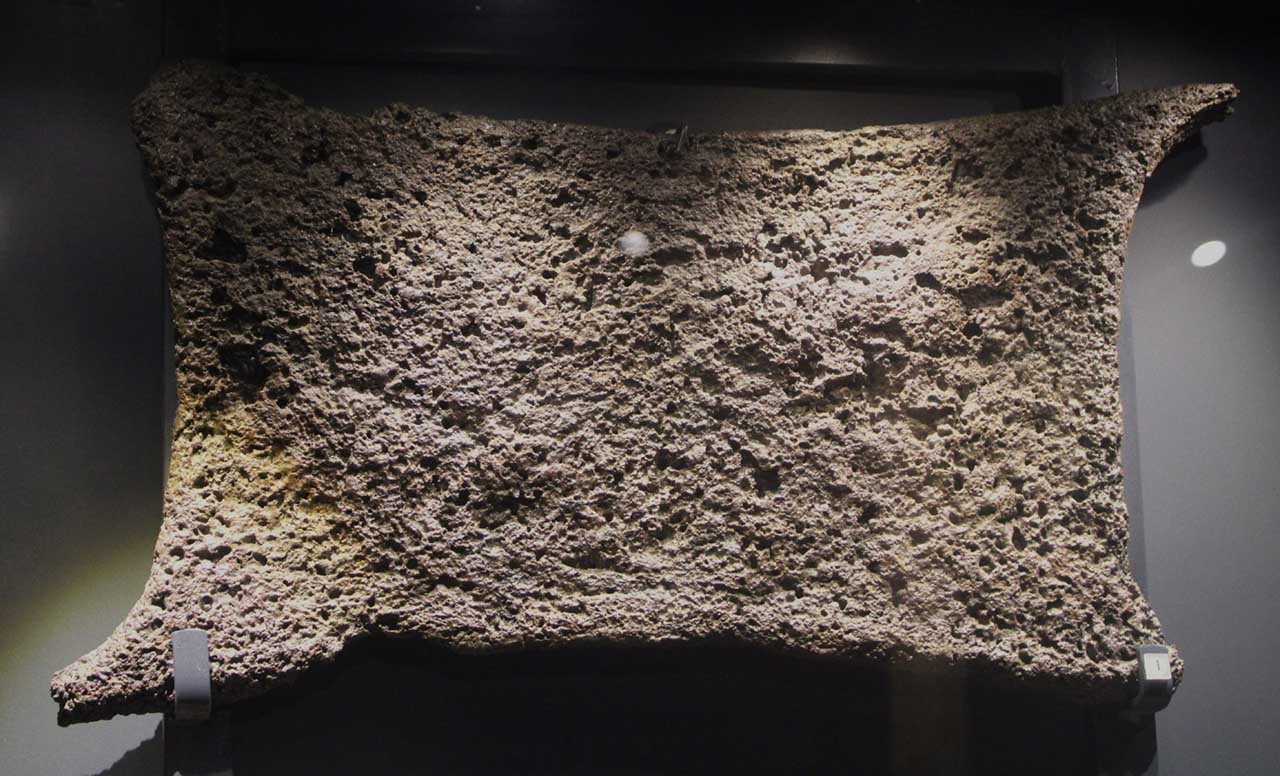
He reported his finding to his captain and sketched what he had seen. He described seeing flat pieces of metal with protruding ears or handles and sketched what he had witnessed.
His captain, who had attended briefings at the Bodrum Museum of Underwater Archaeology, recognized the items as ancient copper oxhide ingots.
The discovery was reported to the Bodrum Museum of Underwater Archaeology, and its director, Oğuz Alpözen, together with colleagues, confirmed that the site contained a major Late Bronze Age shipwreck and was an invaluable find.
The excavation: 11 seasons and more than 22,000 dives
It took an immense technical effort to recover the cargo from the 14th-century BC Uluburun shipwreck.
The project spanned 11 field seasons from 1984 to 1994 under the leadership of George Bass and Cemal Pulak from the Institute of Nautical Archaeology.
Over 22,400 dives were logged, and a total of 6,613 hours were spent underwater to salvage about 17 tons of ancient artifacts at extreme underwater depths in difficult terrain.
The salvage operation took a decade because underwater excavation is time-consuming and demands extreme physical exertion from divers.
While underwater, the divers must use a variety of equipment to precisely pinpoint the positions of the salvaged items and to ensure that they are carefully protected from further damage before they are lifted to the surface.
What was the Uluburun ship carrying?
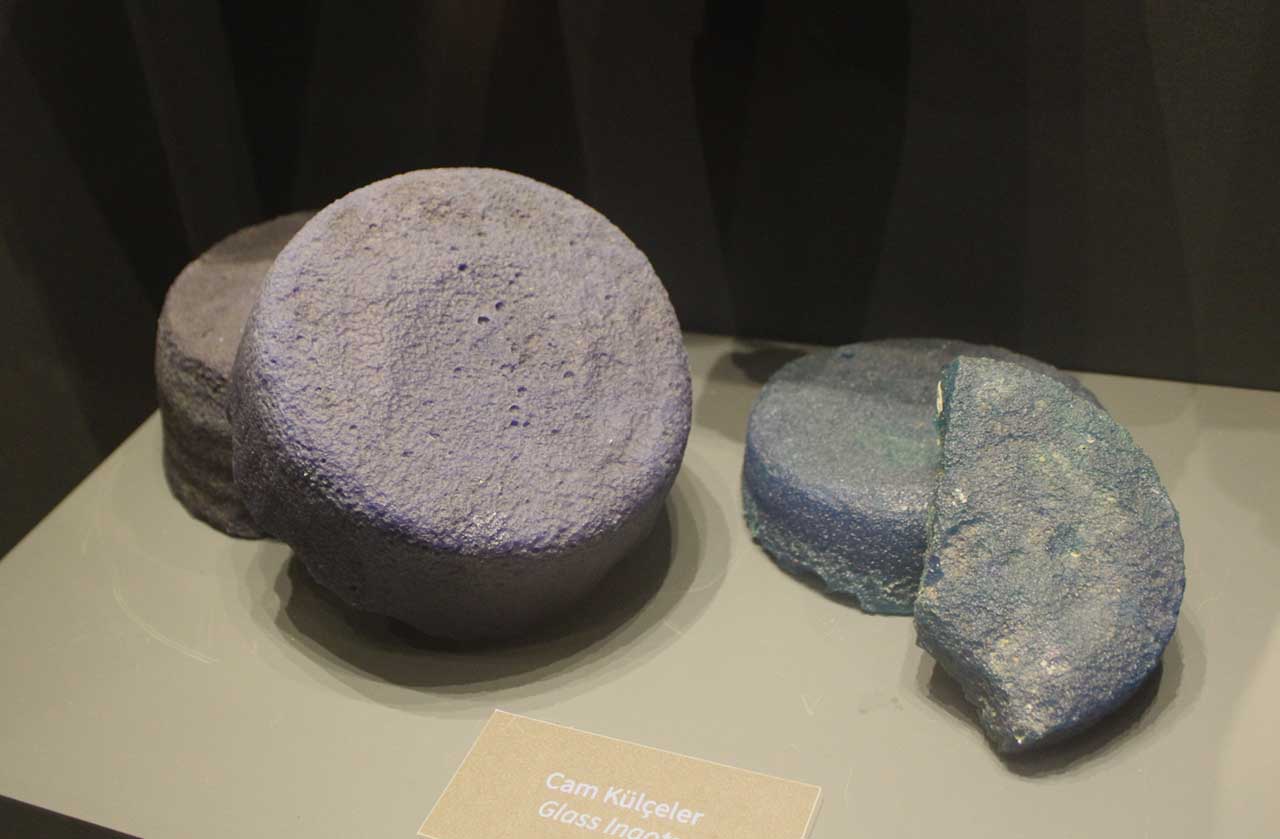
The Uluburun was carrying a massive cargo of everyday trade items and raw materials. The trade items included 10 tons of copper ingots, as well as large quantities of tin and glass ingots.
Among the haul of raw materials were African elephant tusks and hippopotamus teeth, as well as ebony logs from Africa.
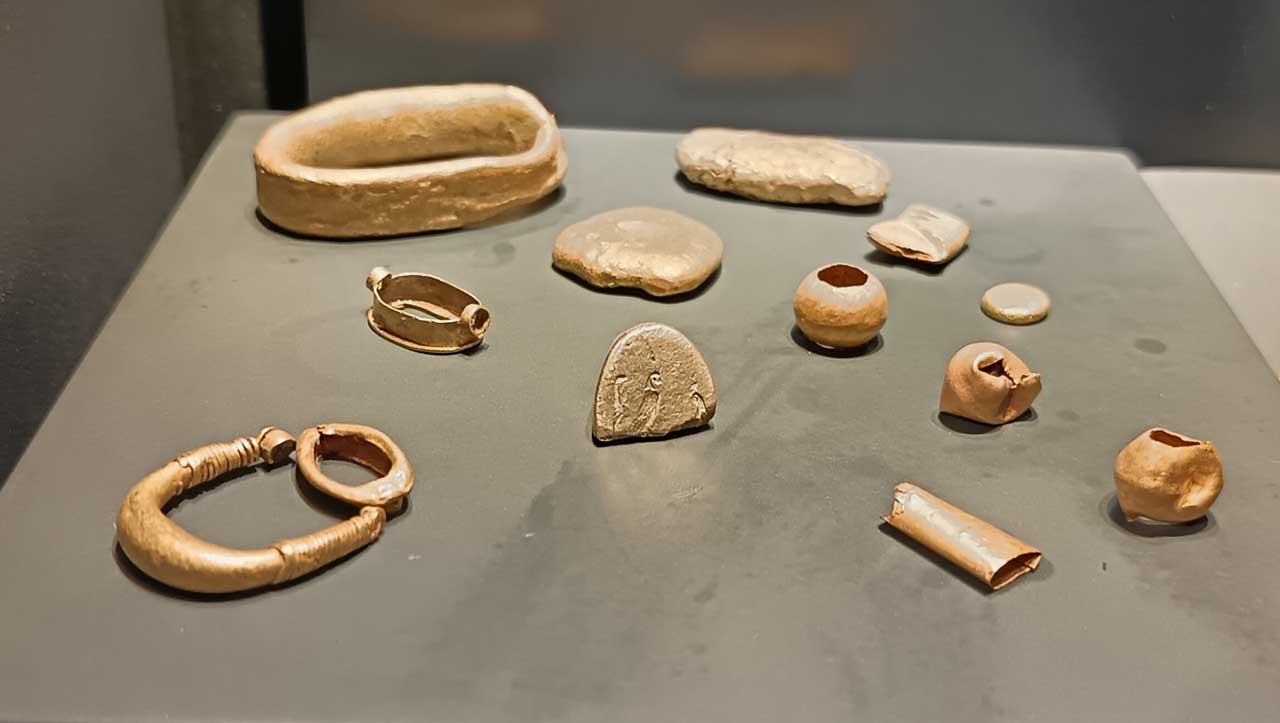
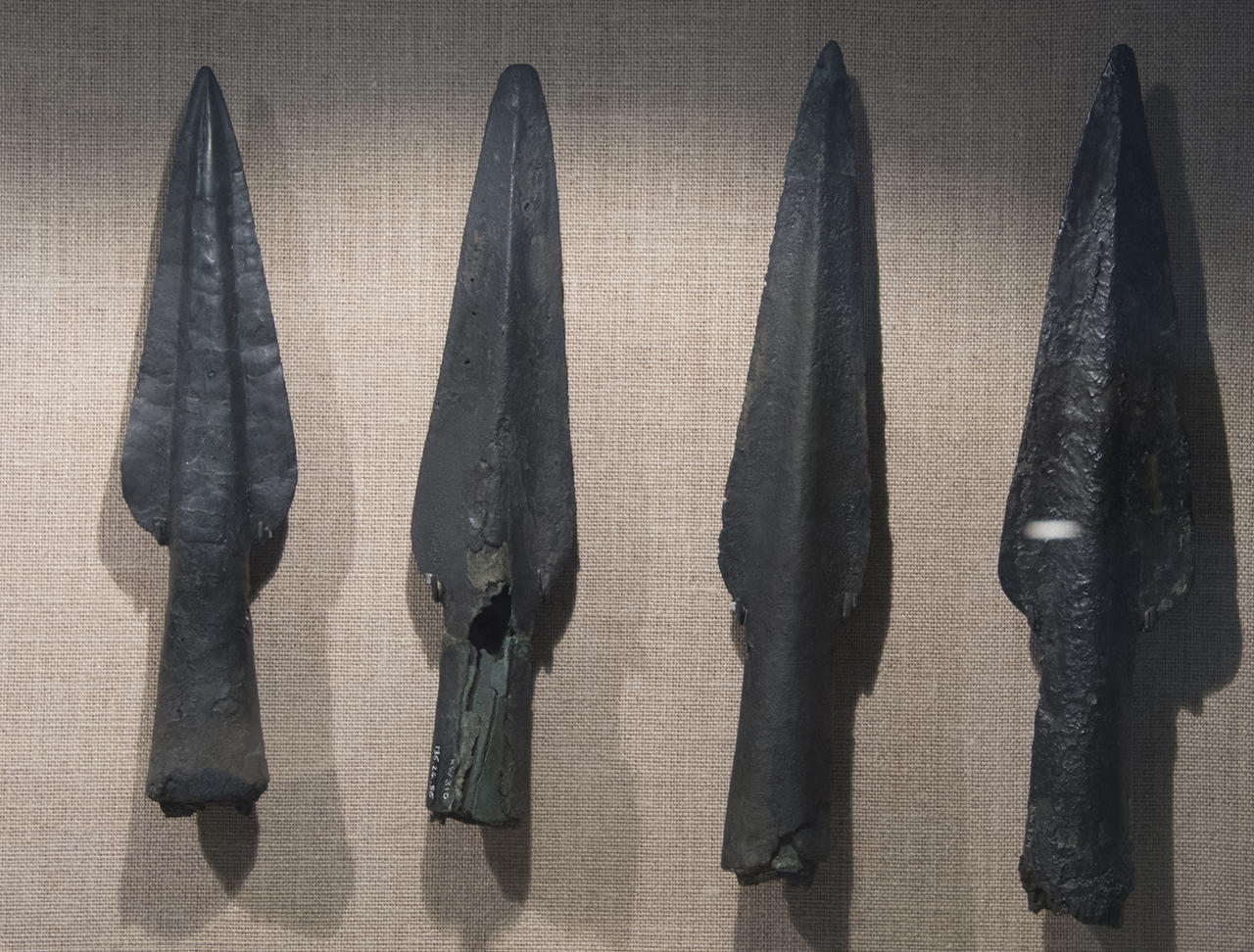
Luxury goods included gold and silver jewelry and a golden scarab bearing an inscription of Egyptian Queen Nefertiti. Exotic items such as ostrich eggs and carved ivory cosmetics containers were discovered, as were bronze arrowheads, spears, and Italian swords.
The cargo included Canaanite jars containing about one ton of Pistacia resin, along with olives, grapes, figs, and almonds, together with Cypriot pottery bowls, lamps, and jugs.
Copper and tin: enough metal for around 11 tons of bronze
The Uluburun shipwreck carried enough copper and tin to equip thousands of elite soldiers or an army. Roughly 10 metric tons of raw copper ingots and one metric ton of tin ingots were salvaged. The 10:1 ratio provided sufficient metal to alloy 11 tons of high-grade bronze.
The metal cargo included over 350 copper oxhide ingots weighing 10 tons. The ingots, primarily from Cyprus, were so named because of their four-cornered shape.
The one ton of rare tin ingots represents the largest collection of securely dated ancient tin known worldwide.
A 2022 study proposed that the tin came from two sources: one-third from Central Asia, including Tajikistan and Uzbekistan, with the rest from the Turkish Taurus Mountains, although the provenance remains debated.
Glass, resin, ivory, ebony, and other raw materials
One of the richest collections of Late Bronze Age raw and high-value materials was carried on the Uluburun.
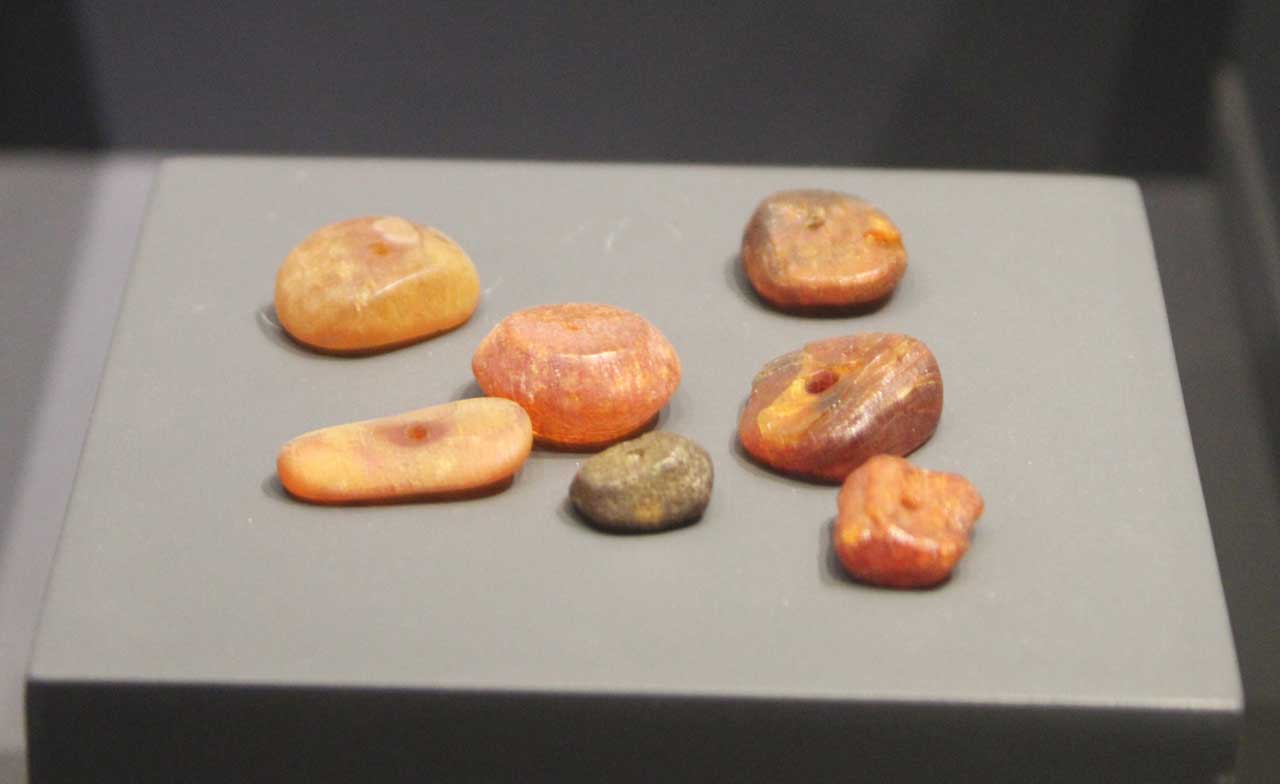
Its cargo included 175 glass disc ingots and about one ton of Pistacia resin in Canaanite jars. Other treasures included elephant and hippopotamus ivory, logs of ebony from Africa, multi-colored glass ingots, ostrich eggs, amber from places well beyond the eastern Mediterranean, and a huge haul of copper and tin.
Gold, jewelry, and the Nefertiti scarab
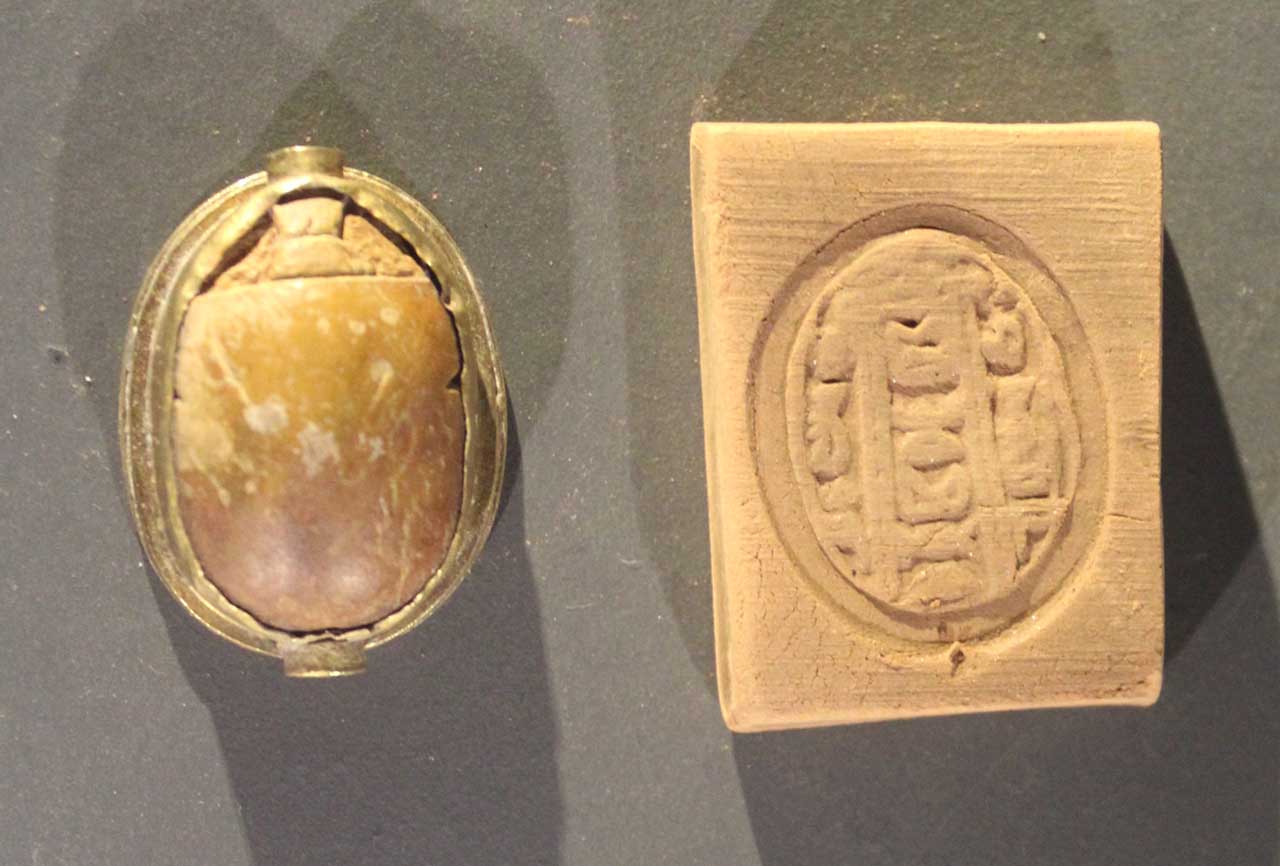
One of the rarest items salvaged from the shipwreck was a gold scarab bearing the name of the Egyptian Queen Nefertiti.
Egyptian scarabs were usually made of soapstone, which makes this solid-gold specimen extremely scarce. The Nefertiti scarab was a chronological marker that helped to date the sinking of the Uluburun to the late 14th century BC, shortly after the Egyptian queen’s historical reign.
A chalice was the largest gold object recovered. Another rare item was a small bronze figurine of a goddess that was covered with a thin sheet of gold. Jewelry included beads and Canaanite golden medallions and pendants.
Pottery, food, tools, weapons, and everyday objects
The Institute of Nautical Archaeology excavated an astonishing collection of preserved food, Canaanite storage jars, Cypriot pottery, personal everyday objects, a variety of bronze tools used in metalworking and carpentry, fishing equipment, and weapons from different regions.
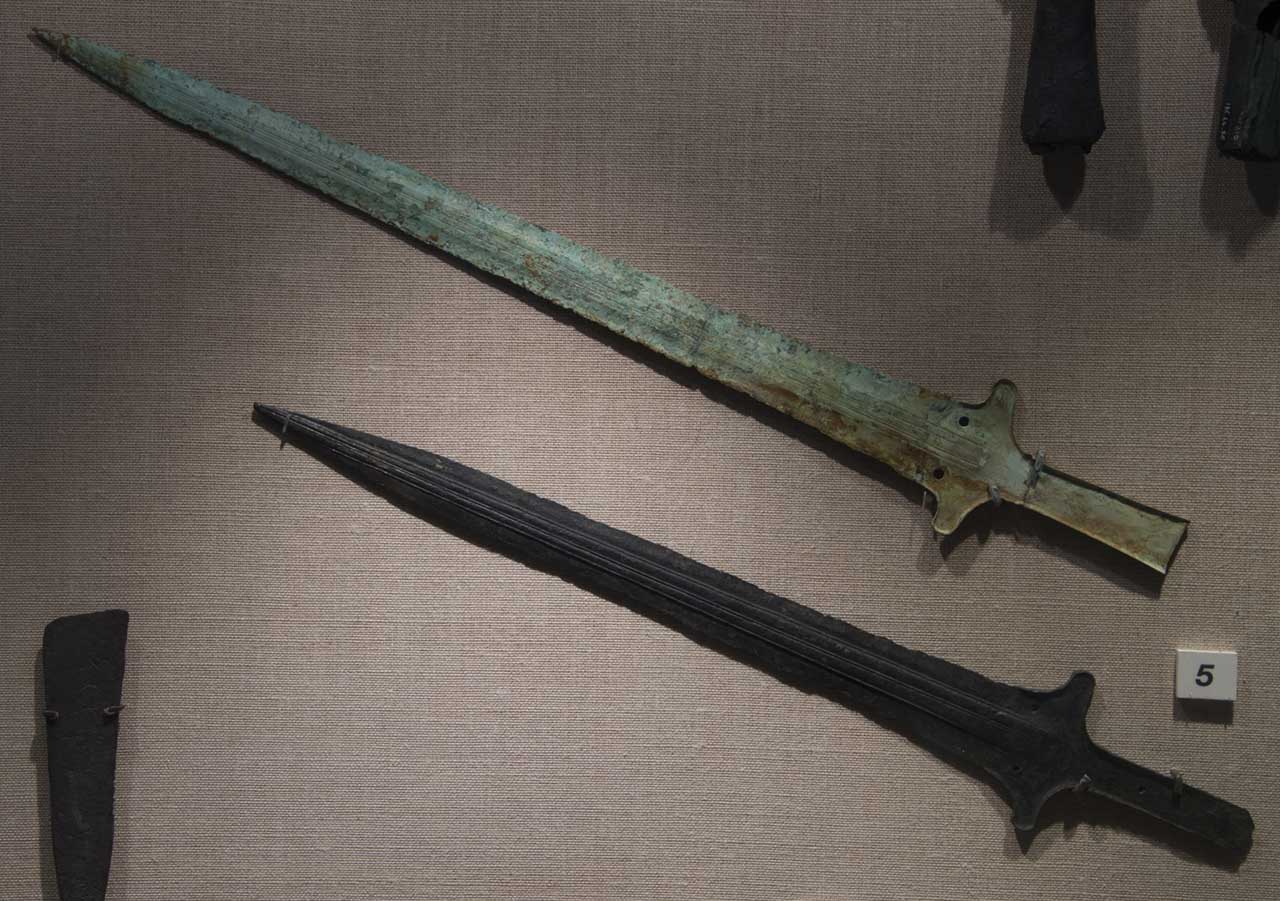
Food remains included olives, almonds, figs, grapes, and pomegranates, while personal possessions helped to distinguish onboard travelers from the commercial cargo and illuminated life in the Mediterranean Late Bronze Age.
Where did all this cargo come from?
The cargo originated from a network of sources in the Mediterranean, Near East, Africa, and Central Asia. Major source regions included Cyprus and the Levant, while the origin of the tin remains debated.
Ten tons of copper from Cyprus were a major component of the onboard cargo, and the Baltic amber gave researchers an insight into the vast exchange network stretching well north of the Mediterranean.
A 2022 study proposed that two-thirds of the one-ton tin haul originated from the Turkish Taurus Mountains, with the remainder from Central Asia. The true origin of the tin remains an active question among researchers.
Where was the Uluburun ship going?
The destination of the Uluburun cannot be confirmed with absolute certainty. However, the ship was traveling westward when it sank, leading researchers to believe it was heading for a trading port in Mycenaean Greece or the Aegean.
Before sinking off the Turkish coast, a loading route along the Syro-Canaanite (Levantine) or Cypriot coast has been proposed.
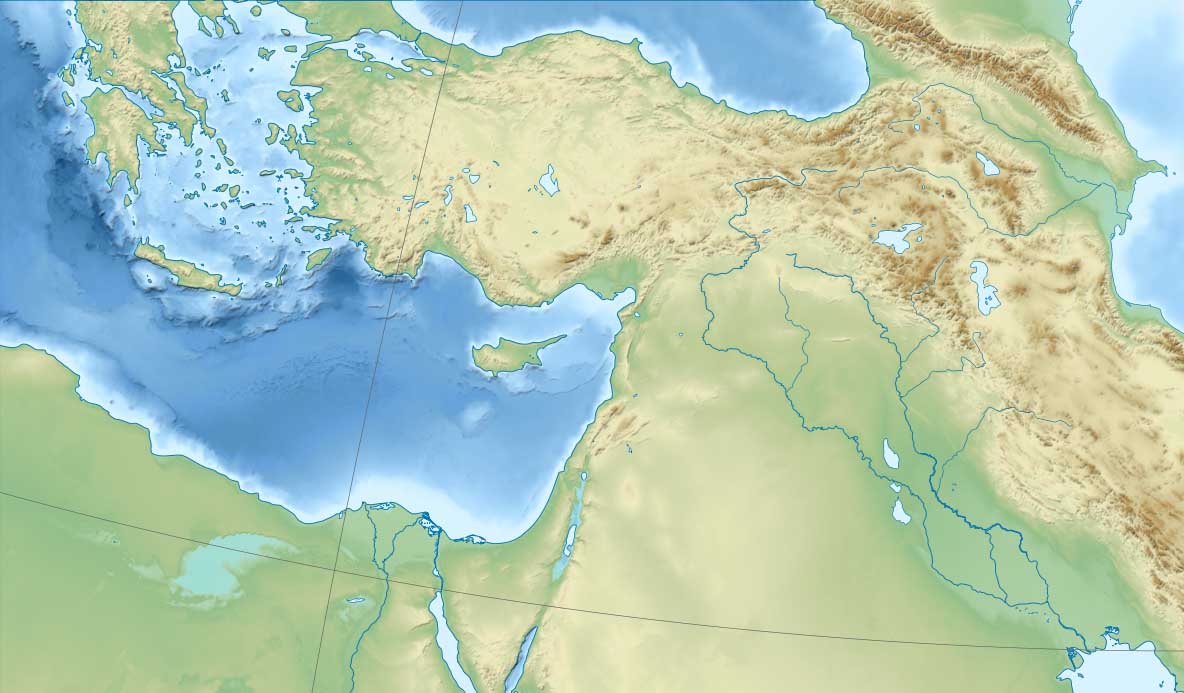
The debate continues over whether the cargo from multiple regions was an elite diplomatic gift exchange or a commercial operation.
The assortment of luxury goods and rare items, such as the Nefertiti scarab, lends credence to the diplomatic gift exchange theory. However, the abundance of raw materials points to a straightforward commercial shipping enterprise.
What do we know about the ship itself?
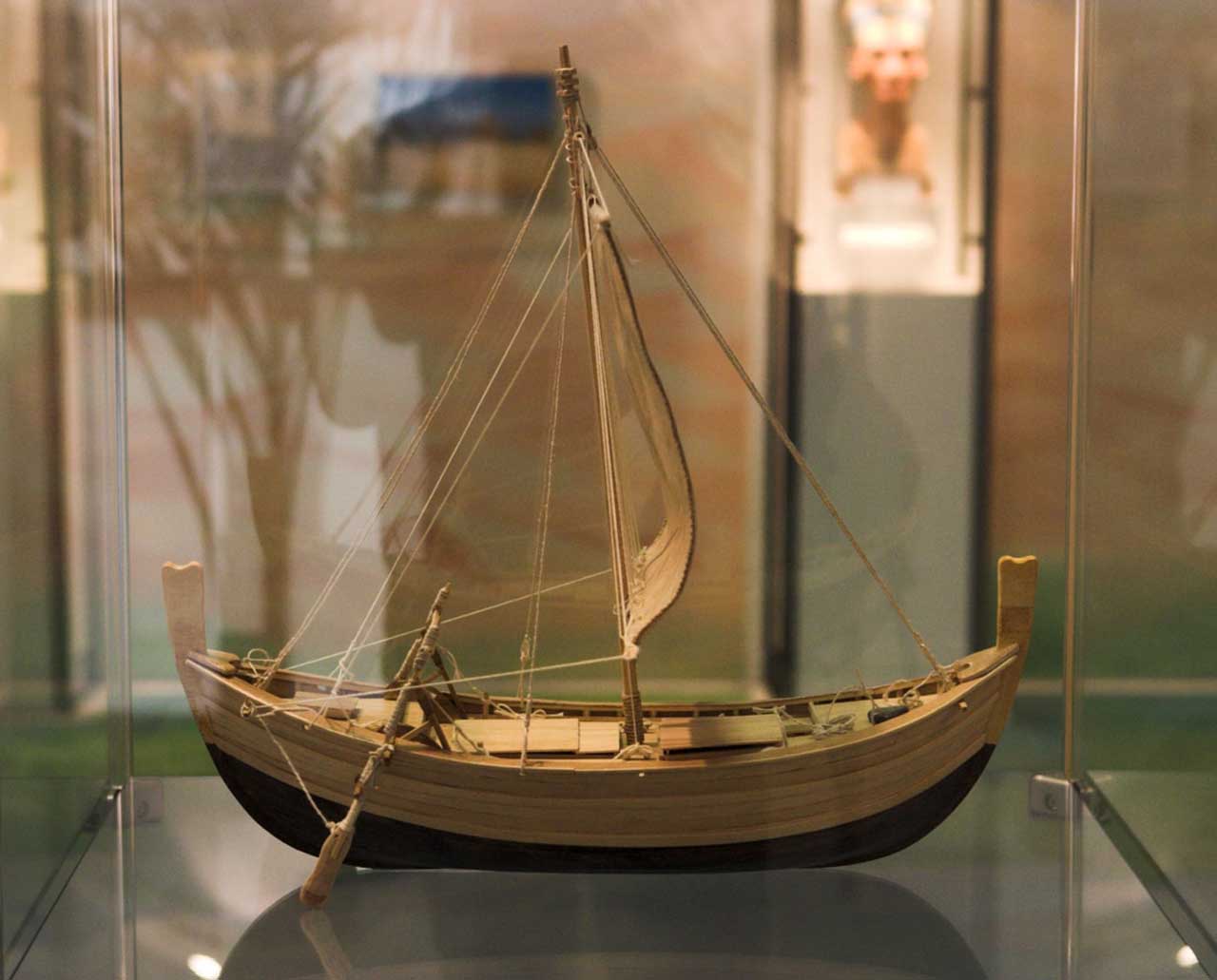
The Institute of Nautical Archaeology puts the Uluburun at around 15 meters (50 feet) long, though this is difficult to ascertain as only part of its wooden hull survived.
It was constructed from Lebanese cedar for the hull planks. Its shell-first construction was assembled using pegged mortise-and-tenon joinery, a method in which planks are locked together tightly with wooden pegs. The Uluburun carried at least 24 stone anchors.
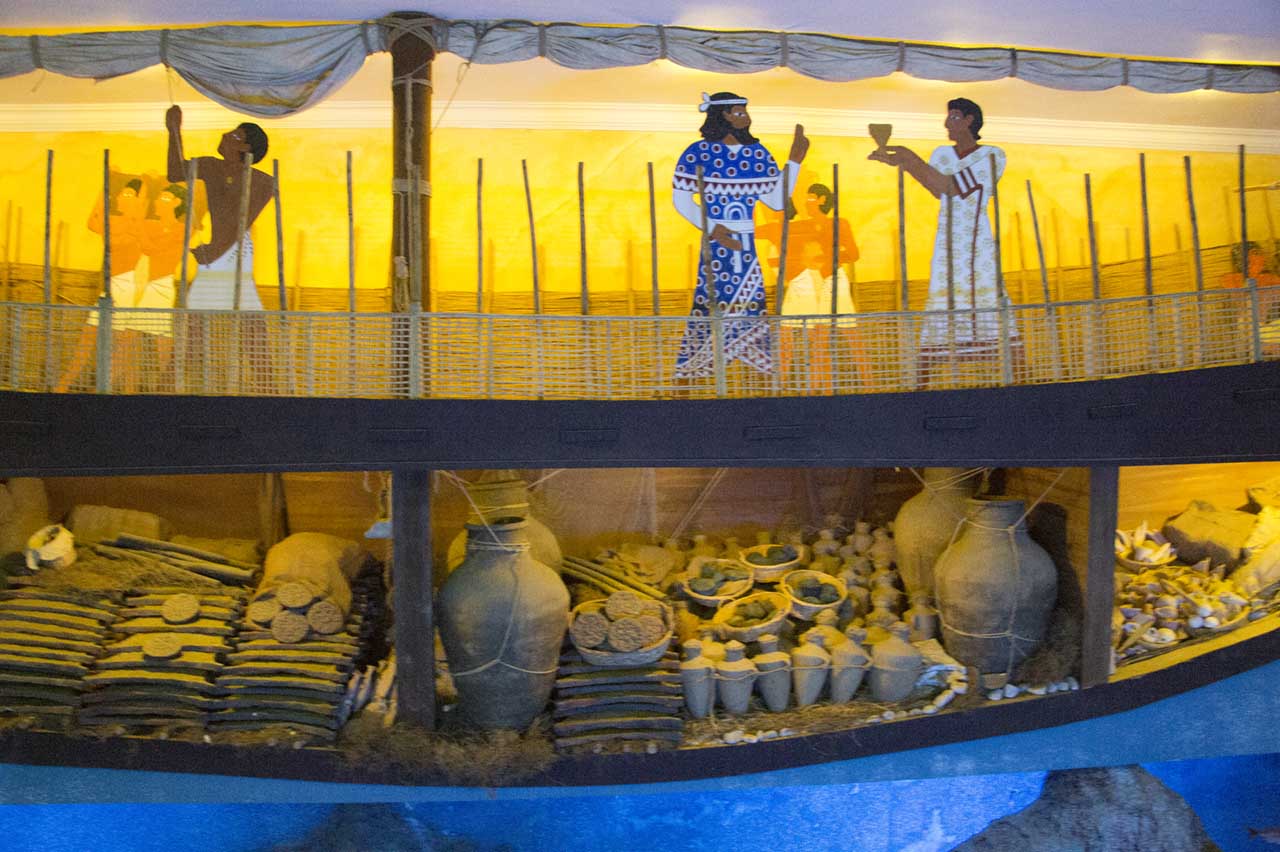
Unlike the wealth and abundance of its extraordinary cargo that provided a window into life during the Mediterranean Late Bronze Age, the scarcity of its wooden remains has left archaeologists debating several aspects of its design and construction.
Who was aboard the Uluburun ship?
When the Uluburun was salvaged, no human skeletal remains were found in the deep waters, but personal tools, weapons, and belongings helped archaeologists identify the occupants.
The Institute of Nautical Archaeology, which oversaw the salvage operation, believes that Syro-Canaanite sailors and merchants crewed the ship and that there were at least two elite Mycenaean Greek passengers, identified by personal items. It is also believed that a third, or mixed-status, individual could also have been a passenger.
While archaeologists cannot confidently name the ship’s owner, they may have been able to distinguish passengers or crew from the cargo of weapons, tools, seals, personal jewelry, and tableware.
Why the Uluburun Shipwreck changed our picture of Bronze Age trade
Not only did the Uluburun shipwreck prove that ancient economies were globally connected, it also transformed our understanding of Bronze Age trade.
Hailed by the Turkish Museums website as one of the greatest underwater archaeological discoveries of the 20th century, the Uluburun shipwreck provided physical evidence of a flourishing trade network spanning the Mediterranean and Near East, replacing earlier speculation based on incomplete text sources.
Its multi-origin cargo of elite goods and raw materials, and the scale and source of its raw materials, proved the existence of a thriving merchant shipping network and an exchange of goods between elite and wealthy consumers, and the Institute of Nautical Archaeology describes the wreck as important evidence of the existence of both before the collapse of the Late Bronze Age.
What happened to the Uluburun Shipwreck?
Although the precise cause of the sinking of the Uluburun is unknown, theories raised by maritime archaeologists include striking a reef off the rocky southern shore of Turkey, a navigational miscalculation, or severe conditions.
It is possible that strong winds propelled the heavily laden ship into the rocky headland, but the exact cause remains unknown.
Where are the Uluburun Shipwreck Artifacts today?
The shipwreck artifacts are housed in a permanent exhibition hall in the Bodrum Museum of Underwater Archaeology inside Bodrum Castle in Turkey.
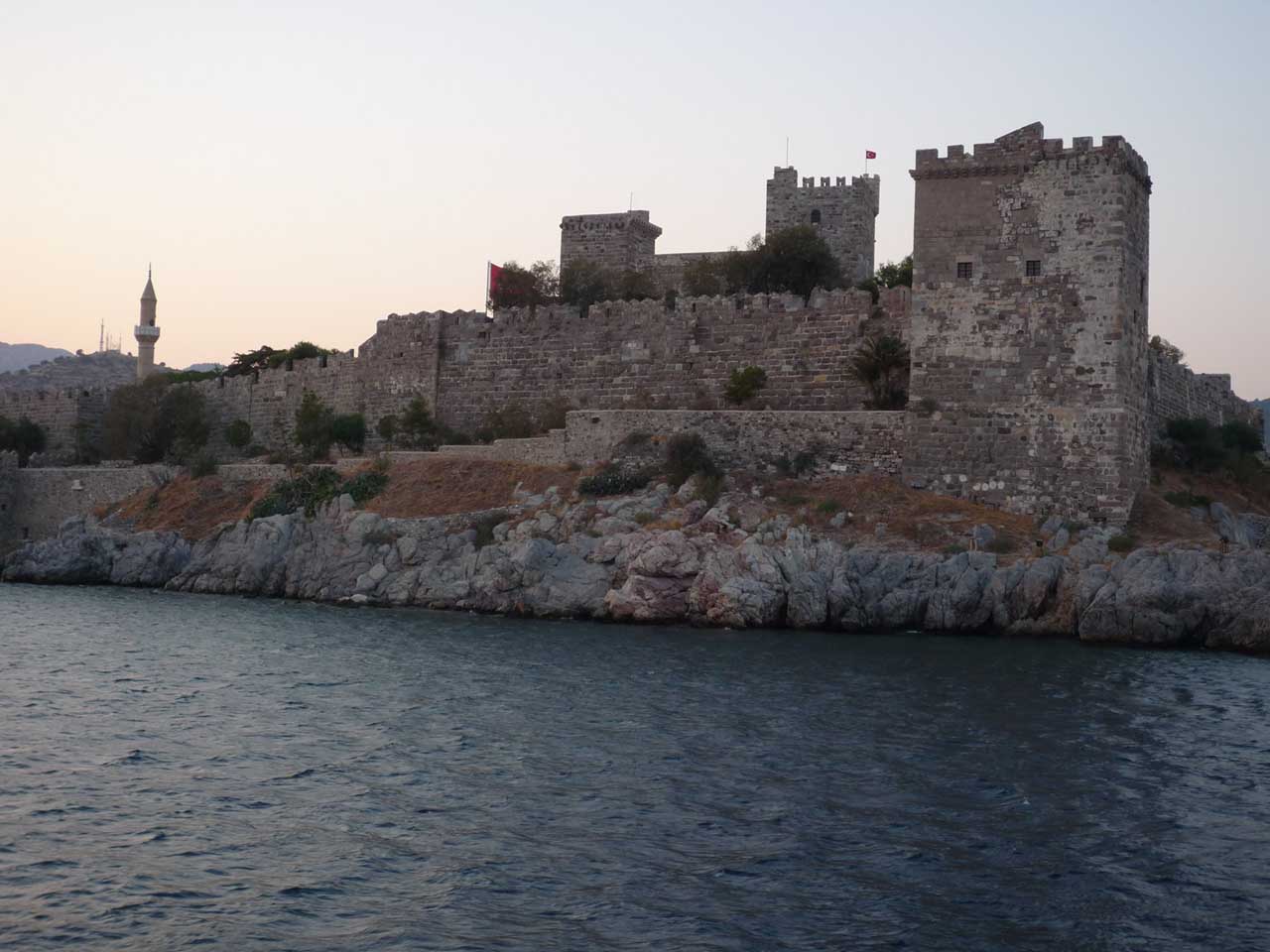
Here, visitors can view a reconstruction demonstrating how the cargo was arranged aboard the vessel, together with examples of the cargo.
Conclusion
The Uluburun Shipwreck revealed an extraordinary range of multi-regional Bronze Age goods in one location.
Its vast haul of copper and tin, as well as glass, ivory, pottery, precious objects, personal possessions, and items such as ivory from Africa, pottery, beads, and glass, provides direct evidence of a long-distance Mediterranean merchant shipping exchange route.
More than four decades after its discovery, researchers still debate several issues regarding its cargo, primarily the source of the one ton of tin onboard.
Readers interested in the Bodrum Underwater Archaeological Museum cargo reconstruction should visit the Uluburun Shipwreck Hall guide.
