
It was back during the summer of 1977 that the INA or Institute of National Archaeology aligned with the BMoUA or Bodrum Museum of Underwater Archaeology took on the task of investigating a newly found shipwreck in Serce Limani.
Serce Limani was located near a harbor that bordered the Southern Turkish coast and in that shipwreck, a lot of interesting historical memorabilia was found. It took divers hours upon hours to discover all of the hidden treasures for viewing pleasure on display at the museum.
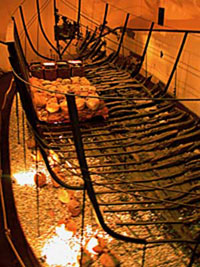
The ship in question is believed to had set sail around 1025 AD and was believed to have departed from the southern Syrian coast. Back then, the Syrian coast was ruled by a group named the Fatimid Caliphs. This cargo ship was particularly important because of the overall haul it was carrying. The ship was believed to be carrying a huge bulk of cargo including over 3 tons of glass cullet. There was broken glass and raw glass alike inside of this ship’s massive cargo.
While the exact location of the cargo isn’t quite known, it’s believed that the ship was transporting cargo to a glass factory that was located in the Byzantine Empire. The most believed location was an area in the Crimea or an area in the lower Danube river.
However, the ship had some flaws of its own, even before it set sail. The ship was only 16 meters in length and was carrying 3 tons of glass. Also, they only had two lateen sails but they had planned ahead with the design of the ship by providing a flat bottom design which was built for rivers.
People who research historical naval architecture found this fascinating because it was an important find. This is especially important because people back then didn’t have the modern technology we do today to help identify where shallow waters will be and what the appropriate type of boat to use will be.
The geometric planning and physics of this boat was a fascinating find by historical researchers and archaeologists. The hull shape of the boat alone was a great find.
The yield and the find of the shipwreck is more important however because a lot of the glassware and symbolism of the contents found date back to Islamic ceramic and some of the first glass ware in existence from the Islamic history.
Historical researchers were dumb-founded by some of the glass wares found that re-shaped some of their views of Islamic history. While not all of the contents of the ship and the model are yet available, the Bodrum Museum does plan on adding more details regarding the shipwreck in the future.
There will be additional exhibits and sights available for the future for those curious to see what the shipwreck entailed.
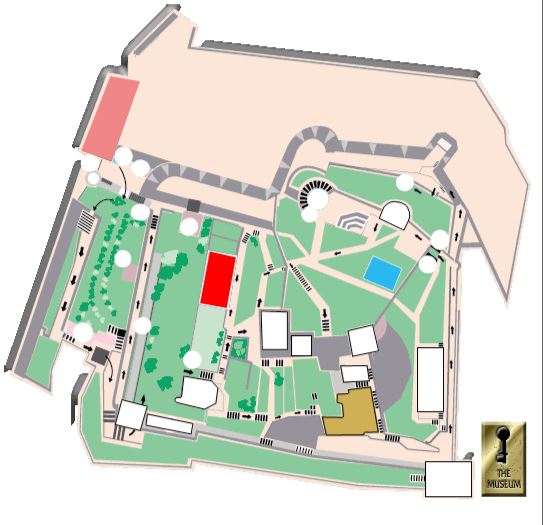
However, there is a display readily available of the Serce Limani ship and all of the contents that were discovered. There was a building specifically designed for this purpose and it was supported by the Turkish Government. Other additional notable names are the Bodrum Museum of Underwater Archaeology and the INA as well.