
The Bodrum Castle is a historical landmark with a lot of different battles and historical figures under its belt. The full name of the castle, which is regarded as one of Bodrum’s most notable landmarks is the Castle of St. Peter the Liberator of the Order of the Knights of the Hospital of St. John of Rhodes.
This castle stood as a stronghold for over six centuries and was one of the most notable military garrisons. The entire compound was around a small village and today, the castle has been turned into a historical museum.
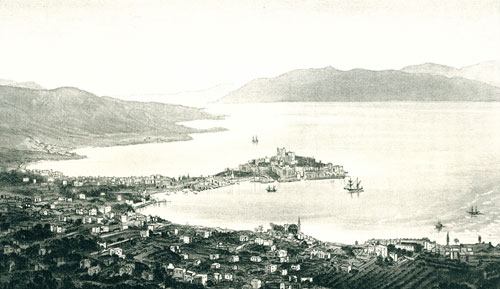
At the time of the construction, the castle was built on an island called Zephyria. This was around the same time that the Trojan Wars were going on as well. It was estimated that the King of Mausolus in 377 to 353 BC was in charge of the empire of Caria and decided to move the capital of Mylasa to Halicarnassus. The Zephyrion peninsula is small but was already connected to the mainland which consisted of mostly land fill and debris.
It’s believed that there was a relatively young temple of Apollo where the peninsula was located and the Masuolus’s palace was situated near.
With the strategic location of the palace, it’s ideal that it was probably a citadel or palace. However, even with the landmark evidence of this, there’s no real proof that this is the case. When the city was captured by Alexander the Great, it’s thought that a good portion of the castle was destroyed and a lot of evidence as a result of that was destroyed.
There’s also some supporting evidence that an earthquake may have damaged some areas beyond repair. The only thing we can say for sure is that a medieval castle with dungeons and horrific rooms was built on a small peninsula covered with rocks on the eastern portion of the Bodrum harbor.
Also, it’s known that the men who occupied and owned this castle were known as the Knights of the Hospital of St. John of Rhodes. No one really knows who these men were and why they even built the castle in the first place.