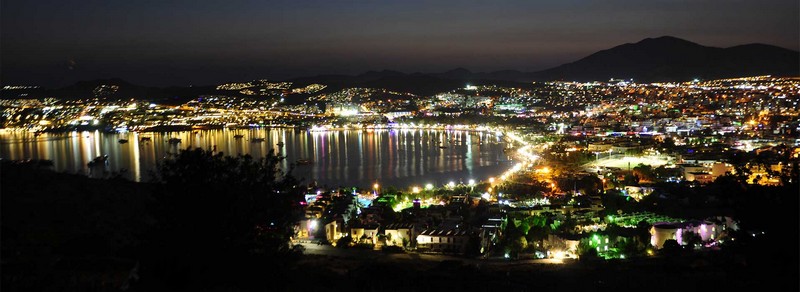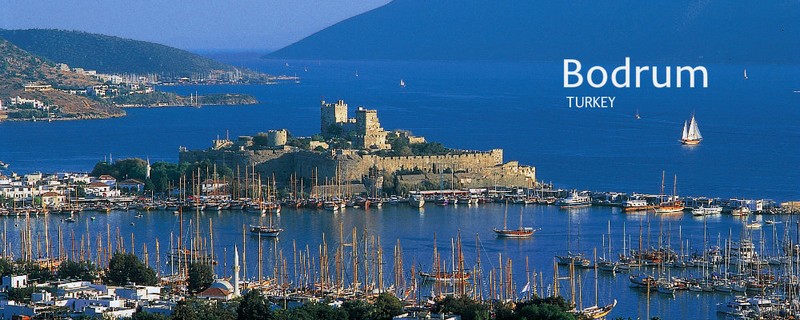
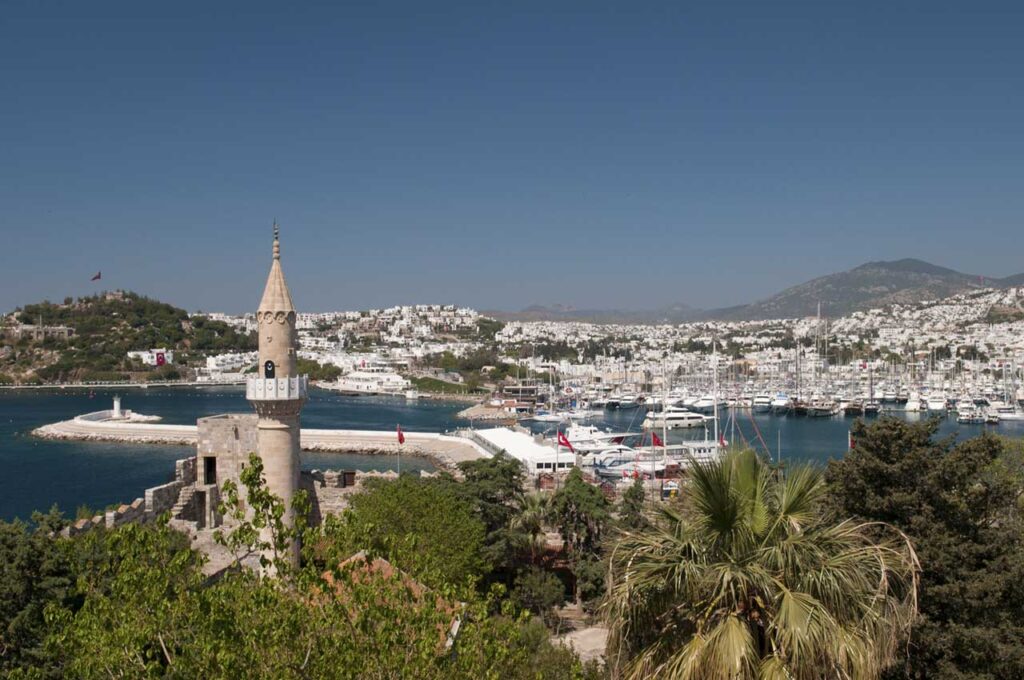
Bodrum, the magical Turkish port town on the Aegean coast, is the perfect base for easy day trips.
You can do one Greek island hop, one headline ancient site day, and a couple of slower nature or peninsula days gazing at the turquoise sea or enjoying a swim in the mild Aegean climate, all without switching hotels.
Last updated: December 2025
Table of contents
- Before You Go: How to Pick The Right Day Trip
- Day Trip 1: Kos in a Day (Ferry Hop)
- Day Trip 2: Ephesus (Big-Ticket Ancient City)
- Day Trip 3: Didim Ruins Loop (Didyma + Miletus + Priene)
- Day Trip 4: Lake Bafa and Herakleia at Latmos (Quiet Nature + Ruins)
- Day Trip 5: Datça and Knidos (Peninsula Day + Dramatic Ruins)
- Day Trip 6: Dalyan and Kaunos (River scenery + Rock Tomb Vibe)
- Day Trip 7: Milas Loop (Euromos + Iasos)
Before You Go: How to Pick The Right Day Trip
Build your plan by deciding on the one main thing you want to do each day: historical or cultural attractions, relaxing and exploring days, or sea days that can include island trips.
Explore the details and take note of time limitations. Ferry times and museum hours can change by season.
Once you know where you’re going for the day, start early to beat the crowds. Then decide if it’s a DIY trip to specific sites that are reachable by car or motorbike, or whether a tour is the better option – which it often is on longer drives. Affordable minibuses (Dolmus) can also be a convenient way to get to most towns on the peninsula.
| Day trip | Best for | Effort level | DIY or tour | One thing not to forget |
|---|---|---|---|---|
| Kos | Island hop and beach town wandering | Easy if you start early | DIY | Passport and visa rules if needed |
| Ephesus | Headline ancient city day | Long day | Tour is usually easier | Do it as one focused visit |
| Didim ruins loop | Three classics in one day | Medium | DIY with car is best | Pick your order and do not overpack stops |
| Lake Bafa and Herakleia | Quiet nature with atmospheric ruins | Medium | DIY | Comfortable shoes for walking |
| Datça and Knidos | Peninsula scenery and dramatic ruins | Long day | Either | Bring water and sun protection |
| Dalyan and Kaunos | River scenery and rock tomb views | Long day | Tour is often simpler | Plan the ride home before it gets late |
| Milas loop | One temple plus one coastal ruins stop | Easy to medium | DIY | Check site access before you go |
Day Trip 1: Kos in a Day (Ferry Hop)
The third largest island in the Dodecanese group, Kos, offers something for everyone. The islanders who live in the charming villages are friendly, the beaches are iconic, and there are many historic sites to choose from, including the home of Hippocrates, the father of medicine.
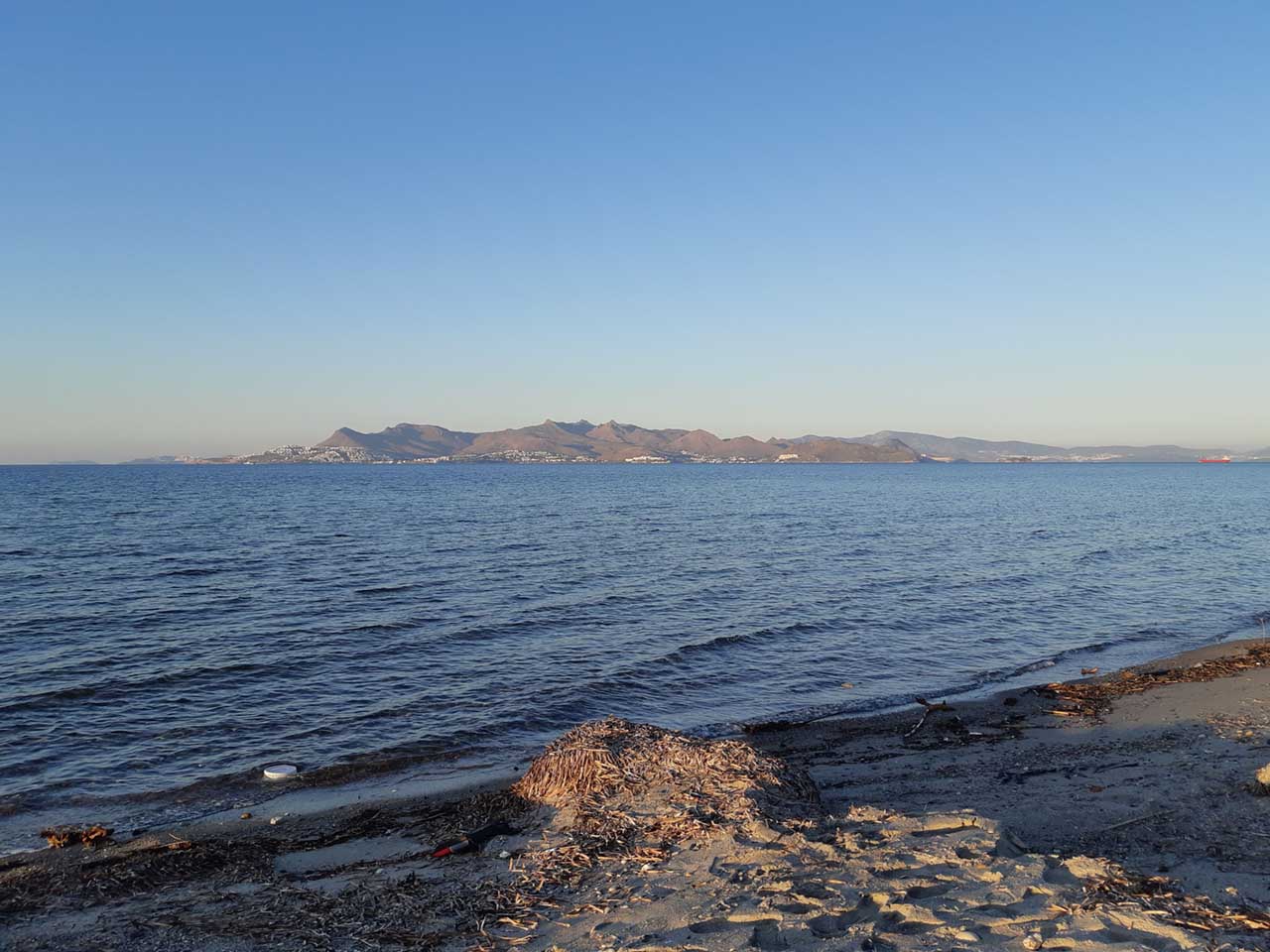
But keep the plan simple: From the port, do the Old Town loop, then one main sight and one beach, before getting back on the boat to return to Bodrum. Schedules change seasonally, so check with Bodrum Express Lines’ hydrofoil & ferryboat services to make sure you don’t miss the boat.
Don’t forget that Kos is in a different country, and you will pass through passport control. Have your passport and Schengen Visa (if needed) ready!
Day Trip 2: Ephesus (Big-Ticket Ancient City)
The city of Ephesus has layers from multiple periods. Bronze Age and Hittite settlements have been identified in the mounds around Ephesus and Ayasoluk Hill, where the fortress is located. It’s a port city and is now a UNESCO site with a lot to experience in a day.
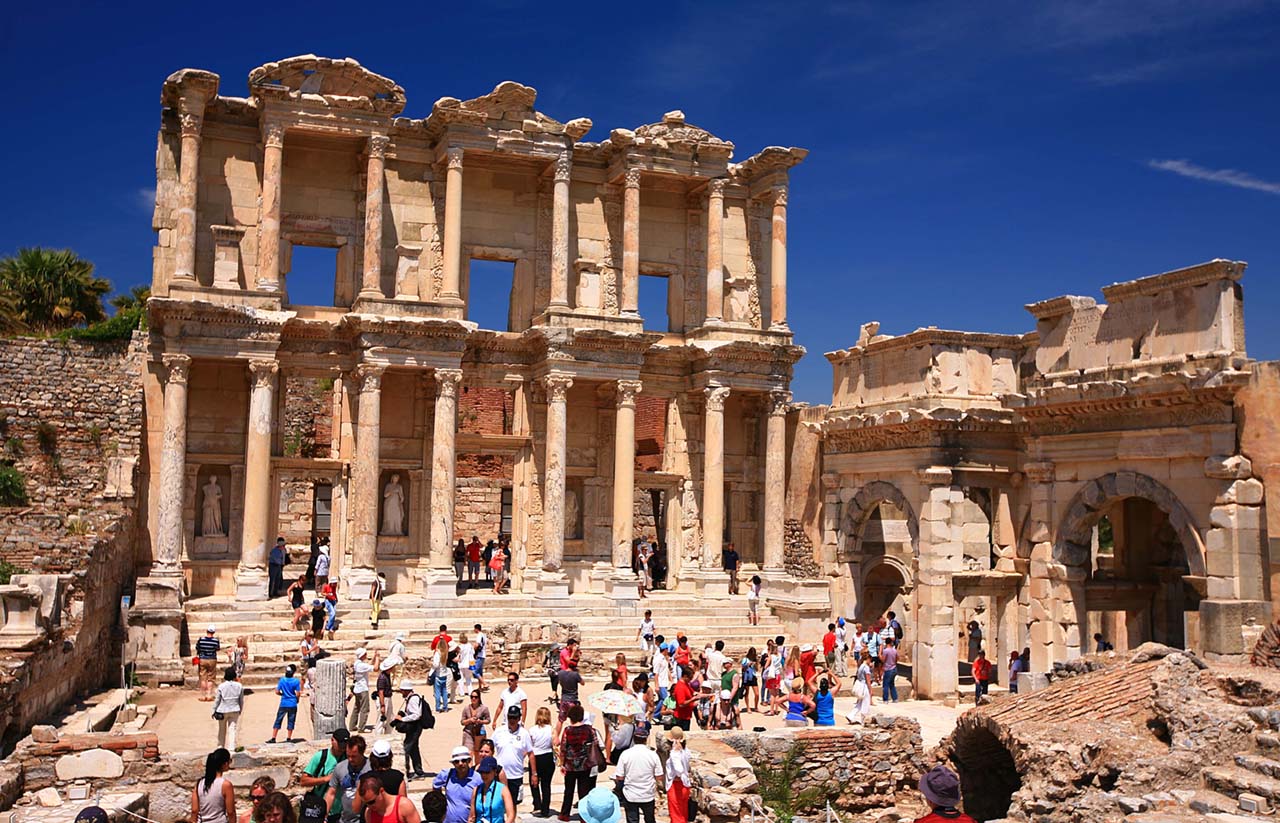
The Ephesus ruins experience needs to be done as one focused visit, so don’t stack five extra stops- there’s not enough time. It’s also about a 2 ½-hour drive from Bodrum, making it a long day, so choosing between DIY (rent a car/bus + taxi) or a tour matters on this trip.
A guided tour provides ease with transport/expert commentary, but can feel rushed and inflexible. Many people prefer DIY with a car, but a private guide makes the vast site easier to navigate if it’s within your budget.
Day Trip 3: Didim Ruins Loop (Didyma + Miletus + Priene)
“Three classics in one day” is possible on the Didim ruin loop and includes a temple, a big theater, and a hilltop city plan.
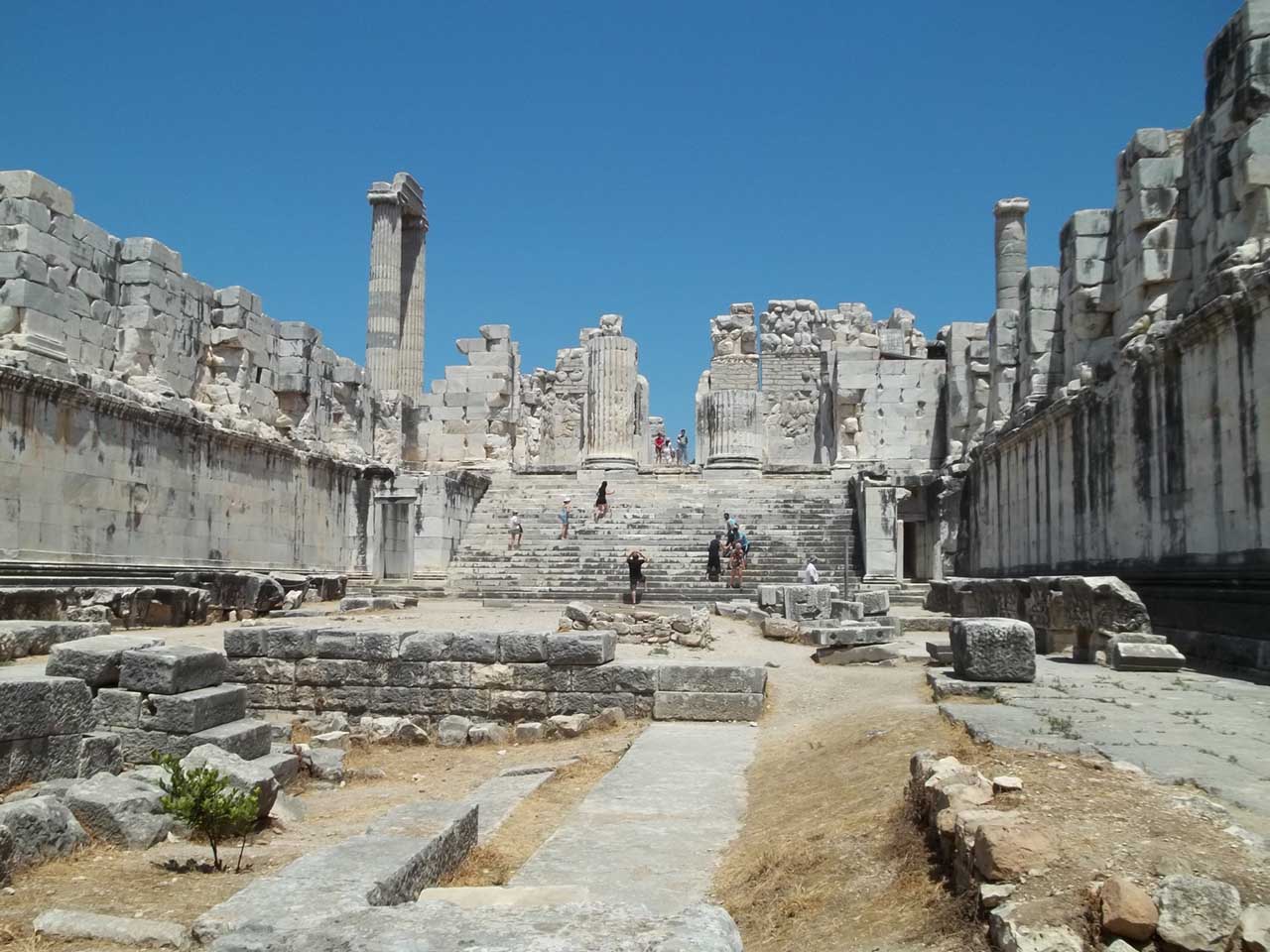
For the temple: Didyma Apollo Temple is one of the most important centers of prophecy in the ancient world. Didyma is not actually an ancient city, but a holy place.
Currently, the temple is surrounded by 124 columns, with a platform accessible by steps on all four sides, located in the middle of the building. The Temple’s “Sella Sacred Space” hosts concerts and art exhibitions, and the iconic Medusa figure stands at the entrance to the temple garden.
For big theater vibes: The Miletus Archaeological site in the Ancient City of Miletus opened in 1973, but later closed to visitors due to the deterioration of the site. The new 1,200-square-meter (nearly 13,000-square-foot) museum building was opened to visitors in May 2011.
The exhibition areas of the Miletus Museum consist of a garden display and an indoor display. In the garden display, lion statues, inscriptions, tomb steles, sarcophagi, architectural elements, and column capitals, symbols of Miletus, are exhibited.
The finds of Miletus Ancient City, Priene Ancient City, and Didim Apollon Temple are displayed in an area of approximately 600 m2 (nearly 6,500 sq ft).
For a compact hilltop city plan, Priene Archeological Site, also called the Pompeii of Anatolia, is 10 km north of the Menderes River. The Temple of Demeter, the Temple of Athena, the theater, the agora, the Temple of Zeus, the bouleuterion, the Upper Gymnasion, the Lower Gymnasion, the Egyptian Temple, the house of Alexander the Great, the Byzantine Church, the necropolis, and residential areas are all at the site.
Day Trip 4: Lake Bafa and Herakleia at Latmos (Quiet Nature + Ruins)
Midway through your adventure, take a “slow” day trip to experience lake scenery, a village feel, and atmospheric ruins, rather than crowds.
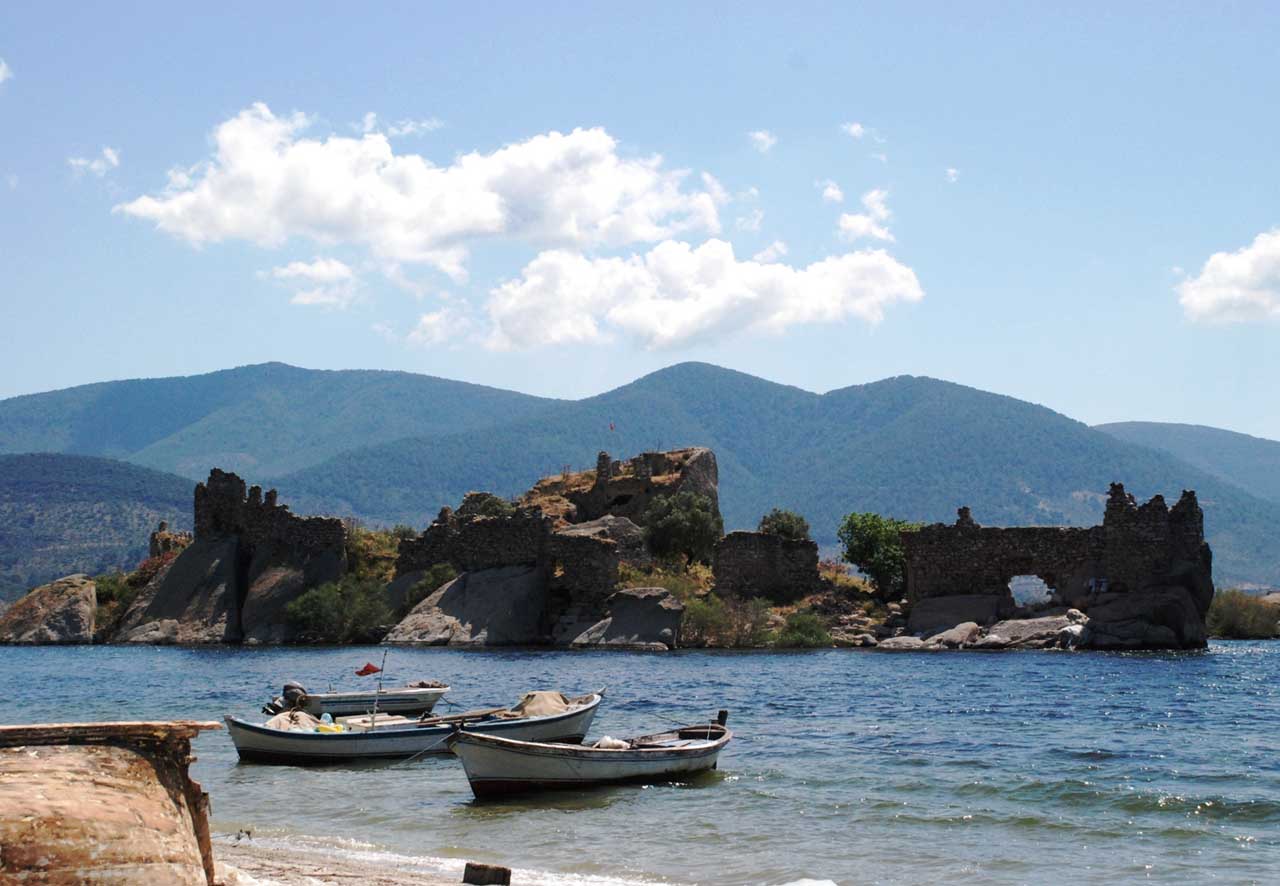
Latmos is next to Lake Bafa- once the gulf on the Aegean before the Meander River silted its opening to the sea- located 85 km (about 53 miles) from Bodrum.
Dedicated to Herakles, the ancient city, picturesque olive village of Kapıkırı, and the monumental Latmos mountain in the background make this a scenic trip for a walkabout.
The city walls are preserved in excellent condition, and, starting from the city gate, you can walk along almost all of them before visiting the temple of Athena, overlooking the Bafa lake, the theater, and the bouleuterion, which are also in good preservation. Get a local guide from the village to show you around the abundant prehistoric wall paintings.
Day Trip 5: Datça and Knidos (Peninsula Day + Dramatic Ruins)
Stroll through the chilled coastal town of Datça. Cobblestone streets and historic stone houses are adorned by colourful bougainvillea.
The pristine beaches and hidden coves, pine-crested hills, and olive and almond groves tell the story of the slow, peaceful existence of the residents of quaint villages.
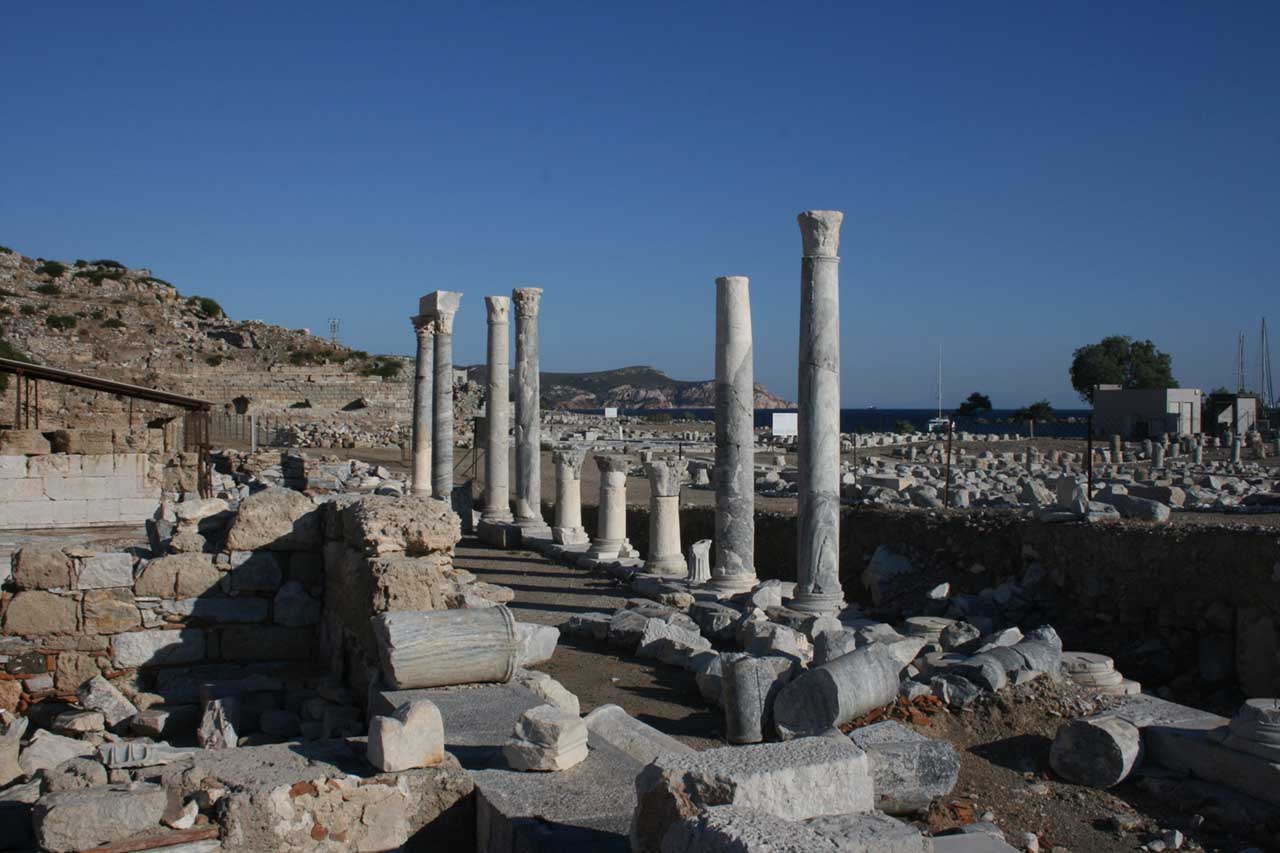
After the villages, visit Knidos for end-of-peninsula ruins and views. Knidos, surrounded by a robust city wall with round and cornered towers.
It is situated on the terraces of the north slope of Kap Krio (Deve Boynu), which was initially an island before becoming a peninsula. The most well-preserved parts of the city walls, thought to date to the 4th century BC, can be seen at the Acropolis.
Day Trip 6: Dalyan and Kaunos (River scenery + Rock Tomb Vibe)
Take a day to enjoy different landscapes, alternating between waterways and tomb views, with Kaunos on the right bank of the Dalyan Stream (Calbis) as the anchor site.
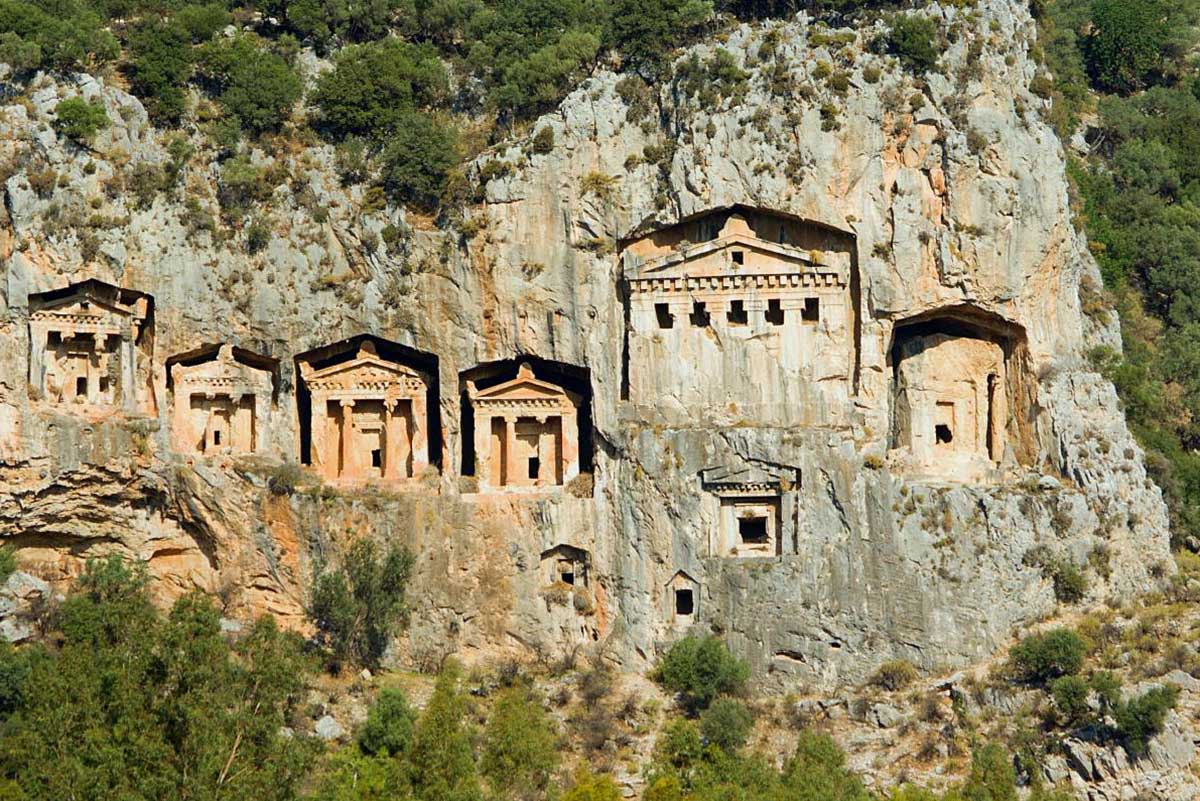
Kaunos is surrounded by Sivrihisar and Balıklar Mountain, which are the foothills of Ölemez Mountain (İmbroz), and by Kızıltepe to the north and west, reflecting geomorphological and topographic changes over centuries.
The first noticeable ruins are the King Tombs carved into the rocks. These rock tombs, inscribed with different codes on the limestone-steep facade of Balıklar Mountain, are grouped into seven areas towards the southwest and are the most important among 167 tombs.
There are also burial places and altars in the burial chambers, laboriously carved into hard rock, and the king’s family is thought to be in the King’s Tombs. At the top of the steep upper Acropolis, a medieval fortification wall is supported by towers.
Day Trip 7: Milas Loop (Euromos + Iasos)
The Milas loop takes you to one temple stop (Euromos) and one coastal ruins stop (Iasos), so the day feels varied and allows more time to absorb the sites.
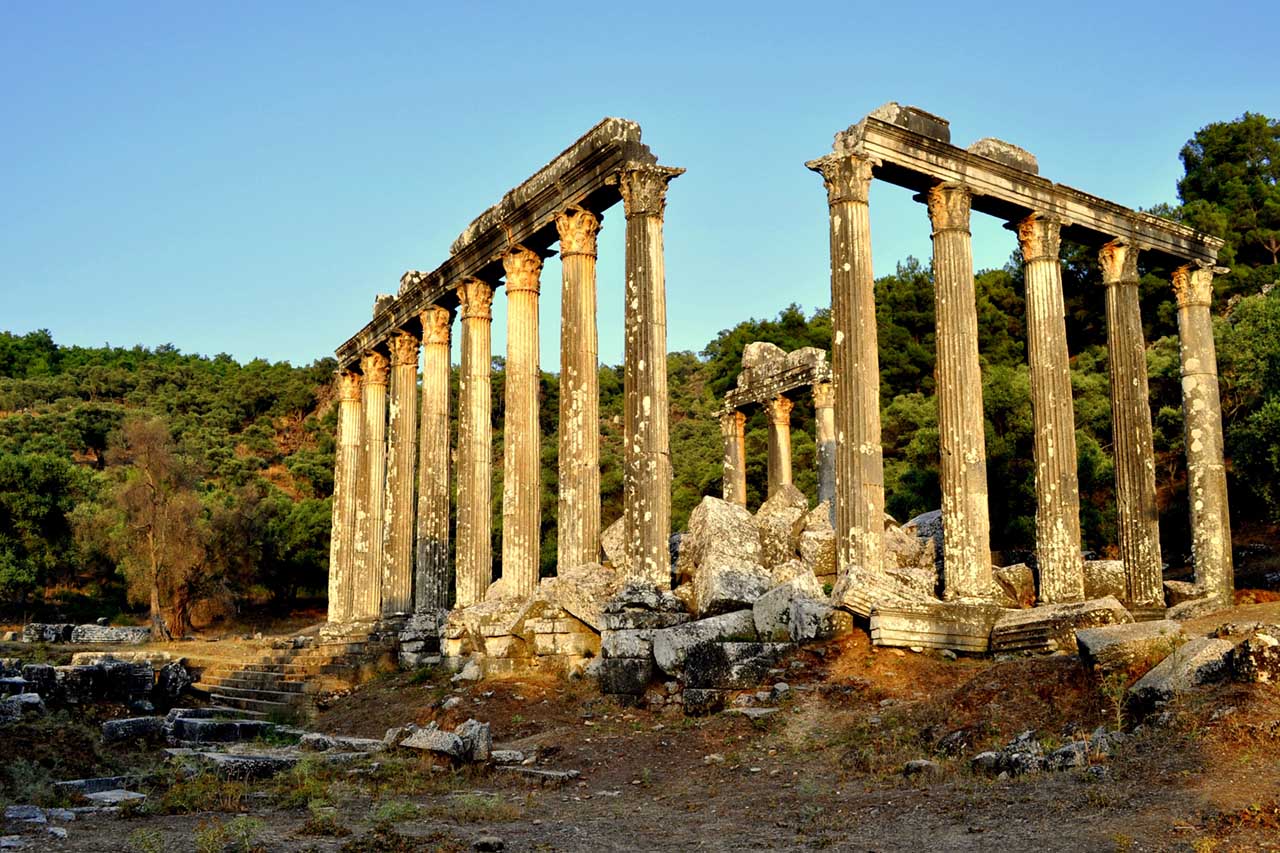
Situated outside the city of Euromus, the Temple of Zeus Lepsynos is one of the best-preserved temples in Anatolia, despite dating from the 2nd century A.D. Euromos was a powerful city in ancient times. Its fortification walls are built of cut stone.
The towers that are part of the defense system are on the continuation of the fortification wall towards the hill on the west. There is a planned agora structure near the Square, with a long inscription on the corner column.
Iasos Ancient City is about 26 km (16 miles) west of Milas, and the earliest architectural remains are the walls of the Bronze Age settlement, dating back to the 2nd millennium BC.
The Bouleuterion rises in the southwestern corner of the agora just behind the southern stoa. The Bakdalhin Mausoleum (also known as the Clock Tower) is a cemetery area on the low slopes of Çanacık Tepe on the east coast, 1 kilometer from the city.