
The notable English Tower is a tower that overlooks the sea of the south-east pocket on the castle. Other notable names for the English Tower are “Lion Tower” and “St. Catherine’s Tower”. The tower was built for the sole purpose of looking out over the sea to look for intruders or invaders.
The entire construction and funding of this tower was made possible by some solicited individuals in England. The funding of the tower was expedited when the Pope issued indulgences to people who contributed.
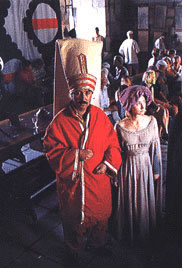
One of those contributors can be seen on display. Sir William Fitz Hugh and his beloved wife Dame Margery are two main contributors and their display can be seen in the Museum of the Order of St. John which is located in Clerkenwell, London.
The indulgence for Sir William was issued in 1414. This tower is of great importance to historic researchers in England and is regarded as one of the best-preserved monuments that was built by English architects.
One of the most fascinating facts about this tower is that it was built on bedrock. Actual solid bedrock. The low floors of this tower were originally used for dungeons and prisons but are now used for storage. Visitors intrigued by the history of this tower might be fascinated by the front hall of this tower which holds the Royal Arms of King Henry IV of England. You can find this exhibit if you enter through the north entrance of the tower.
Along with King Henry IV, you can also find other royal members of the Plantagenet family. Some of the contributors to the building can be noted here and there’s a lot of notable English royal families emboldened here as well. Those interested in English history will be pleasantly surprised to see names such as Percy, Stafford, Westmoreland, DeVere and other names as well that are historic in nature to English history.
A lot of the tower has been restored to its full glory for viewing pleasure. If you go past the entrance, you’ll see a restored hall that’s been re-built since it was destroyed in the first World War by the French during a very large naval bombardment mission. If you’re looking for that medieval feeling or something to remind you of what times were like, you will be quickly reminded by the overall feeling and setting of the tower.
You can see hanging medieval themed banners, some arms, some armor and a lot of other ornaments that reinforce the stereotype of the period and what history has taught us about that time. In 1523, the castle was actually surrendered and this is why you’ll see some banners being hung by the Ottoman Turks depicting their flags.
You’ll get a historical real feel here by the staff when you visit as the staff is dressed in completely authentic medieval wear. You’ll also be enlightened to medieval period music while travelling through the halls.
When you enter, you’ll be greeted by a Sir Thomas Docwra arms exhibit which serves as a reminder of the past and the historical importance of this location. Sir Thomas Docwra was an English Knight who took reign as a Captain of the castle from 1498 to 1499.