

An amphora in short is simply a Roman or Greek jar that can be identified by the two handles and the narrow neck. These jars were primarily used to transport goods such as olive oil, olives, wine, grains, almonds and a host of other stored bulk goods for transportation. They’re prominently depicted on a lot of ancient Greek stories and featured on a lot of wall carvings. The amphora was formed when goods were needed to be transported but the main problem was, there was no way to store all these goods on a ship. Sculptors started using clay and formed these jar shaped objects which would easily store a lot of goods in a small container.
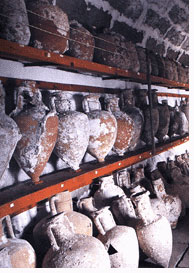
After the initial invention of the amphorae, they became widely known and popular. Every producer included their own spin or unique design on them, so they were easily identified. Historians and archaeologists today use these designs to help identify the origins of each amphorae and to try and identify how old these jars actually are. The majority of their use was around the Mediterranean Sea.
Recent Articles







When you visit the Amphora Park, you’ll see illustrations of these jars all over the walls. Researchers today use small traces of goods that were once left in amphorae to determine what they were used for and what was stored inside of them thanks to modern technology. The majority of these amphorae are found via shipwreck as shipwrecks were fairly common around that time. It’s easier to identify the contents if the jar is discovered on land.
The overall characteristics of amphorae range from sphere like to long and slender. While they do vary in looks, their overall purpose is the same for transportation. You can find a lot of the amphorae in the Bodrum Museum where a lot of the jars originated from Cnidian, Coan, Rhodian and Carthage. Only a small portion of these jars were found on land but the majority of amphorae are found as the result of shipwrecks from the ocean floor.
This is why amphorae were shaped the way they were, to help prevent breaking as the result of a shipwreck. The majority of amphorae were shaped with a knobbed bottom. When these jars were stored, they were tight knit and stacked close to each other to also help prevent cracking or breaking during rough sea trips. Transportation ships were designed in such a way that thousands of amphorae were able to carried, allowing far more goods to be transported at once.
This helped make these trips far more profitable and the cargo was more diverse as the result of using different materials for the transportation ships by using twigs. Amphorae are indeed fascinating as they were a groundbreaking invention in their time to help transport and store goods. These jars today are fascinating to researchers and historians because of their unique history and their origins. It’s disputed where the exact origins of these jars came from and the exact details of how they were made.
However, the history behind amphorae is fascinating. When amphorae were manufactured, the manufacturers made sure to imprint their logo or sign on the handle. All the handles were emboldened with manufacturer signs to help identify where they came from. For example, if an amphora is from Rhodian origins, it usually comes with a rose imprint. An amphora from Coan will usually depict a crab on the handle and the head of a bull will be imprinted on an amphora from the Cnidians.
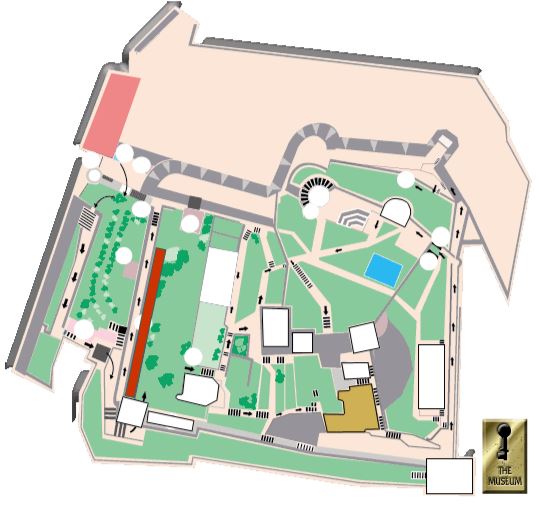
If you want to see the large collection of these amphora on display, you can visit the Bodrum museum in the Amphora Park. You can also visit the Snake Tower ground floor or the castle grounds where a lot of these amphorae are scattered around the grounds. When the first artifacts were placed in the museum, these artifacts were discovered by divers on the ocean floor.